Frenckenberger | Zurich's Minimal, Relaxed, Lived-In Softness in Washed Cashmere—Pullovers, Cardigans, Vests, Dresses, and Felted Hats


I have always held Switzerland in high regard for its refined taste and elevated aspirations characteristic of developed nations. When previously writing about Akris , I found their designs exceptional, distinctly different from mainstream Italian cashmere and New York minimalism. The alpaca brand Grupo Inca/Kuna, founded in Arequipa by Swiss immigrants, is equally impressive.
So when I discovered that Frenckenberger was established in Zurich, I found it quite rare and decided to examine it closely, ultimately determining to write this piece.

01
Frenckenberger is a cashmere knitwear brand established in 2018, headquartered in Bäch, a small town south of Zurich. Its name combines the surnames of two founders—Terry-Ann Frencken and Nathalie Schönenberger—both of whom accumulated years of experience in the Paris fashion scene.
Terry-Ann Frencken served as a model when California-born designer Rick Owens first established his eponymous brand in Paris, and they have collaborated for over 20 years (though admittedly, they do bear some resemblance to each other). Beyond her involvement in design, Terry-Ann serves as the primary model in Frenckenberger’s seasonal lookbooks—she is pictured on the right wearing the black V-neck.

Nathalie Schönenberger possesses extensive haute couture design background, leads Frenckenberger’s design direction, and serves as CEO. She is pictured in the background reading in the image below.
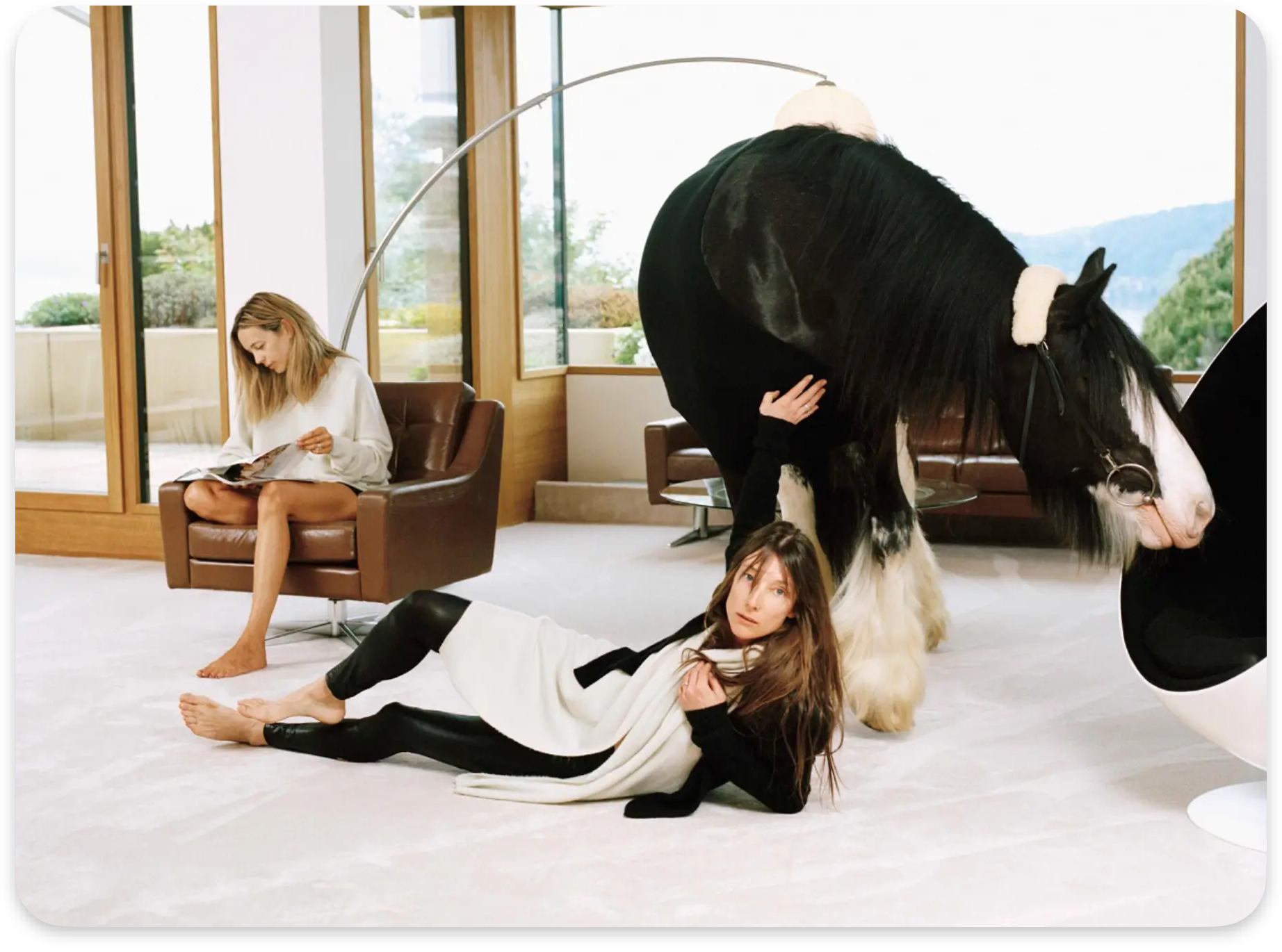
The two met around 2011 through mutual friends. At that time, Nathalie Schönenberger already harbored a passion for cashmere, possessed design experience, and was communicating with textile factories in Inner Mongolia.
Following Terry-Ann’s invitation, they collaborated on their first cashmere collection with excellent results. In late 2017, they traveled to Paris Fashion Week to present their inaugural autumn and winter collection, 2018FW, under the brand name. The team even hosted their showcase in a mere 12-square-meter apartment, with clients trying on and selecting garments on the bed. Sales proved excellent, prompting the duo to formally establish the brand together.
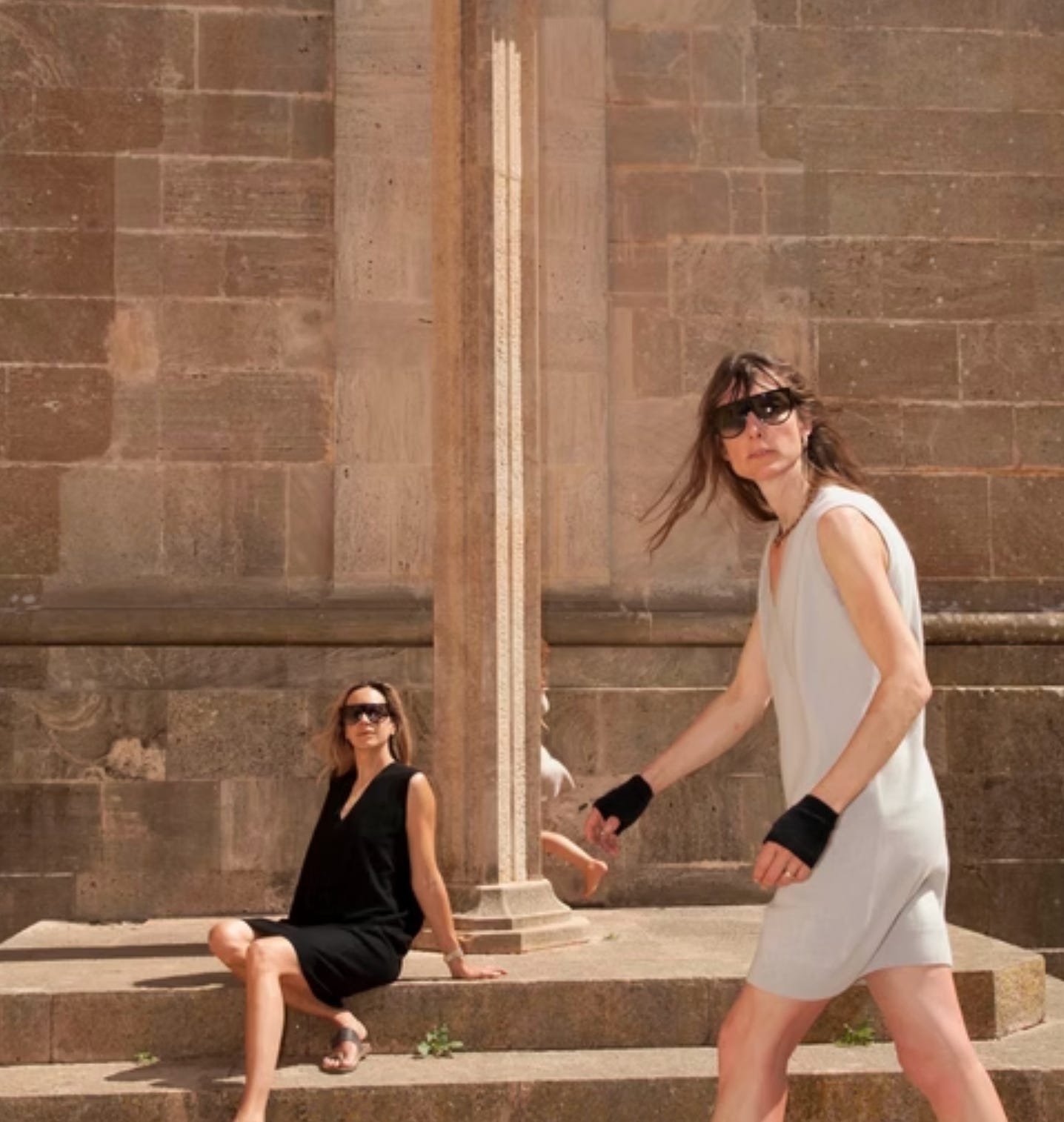
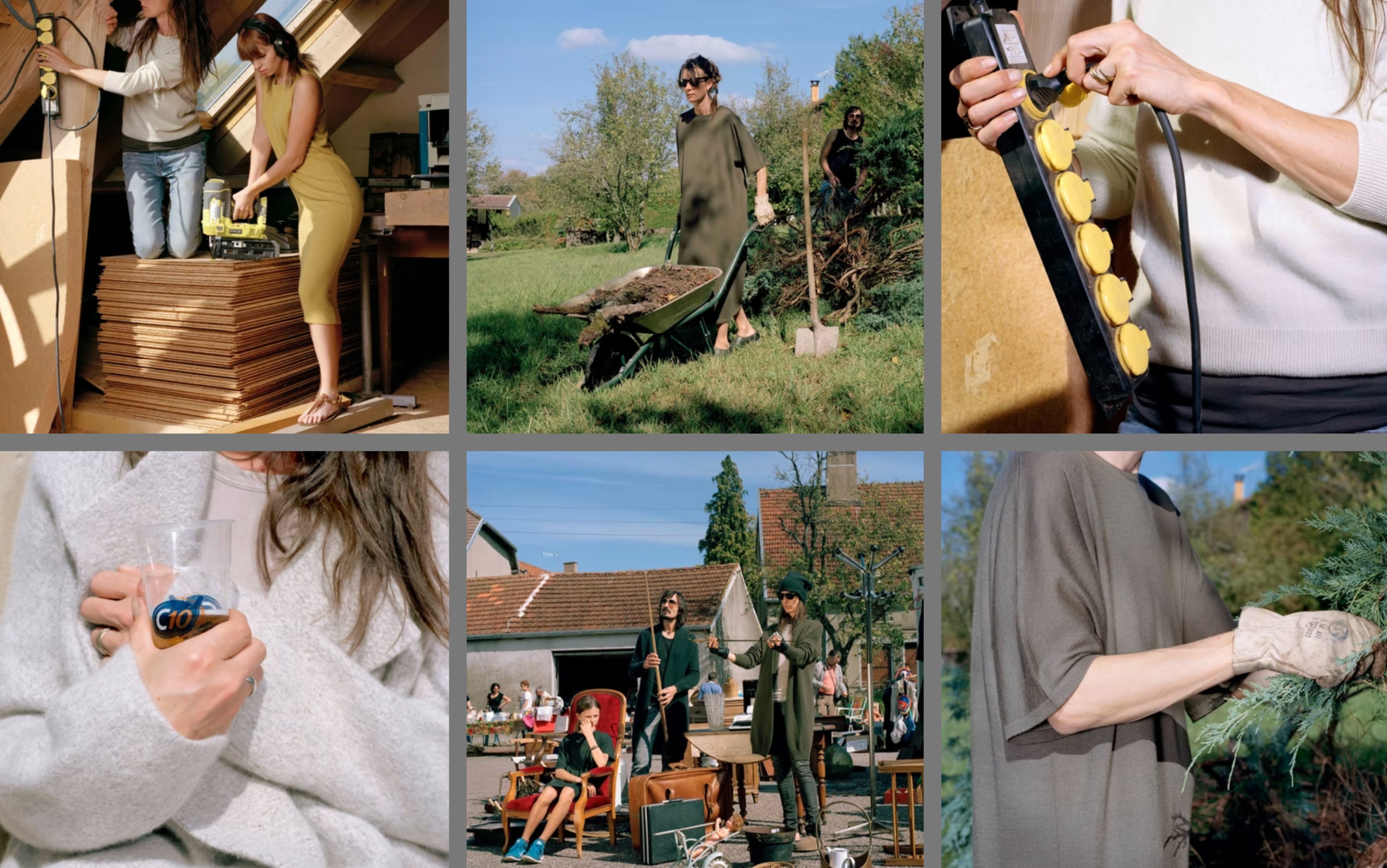
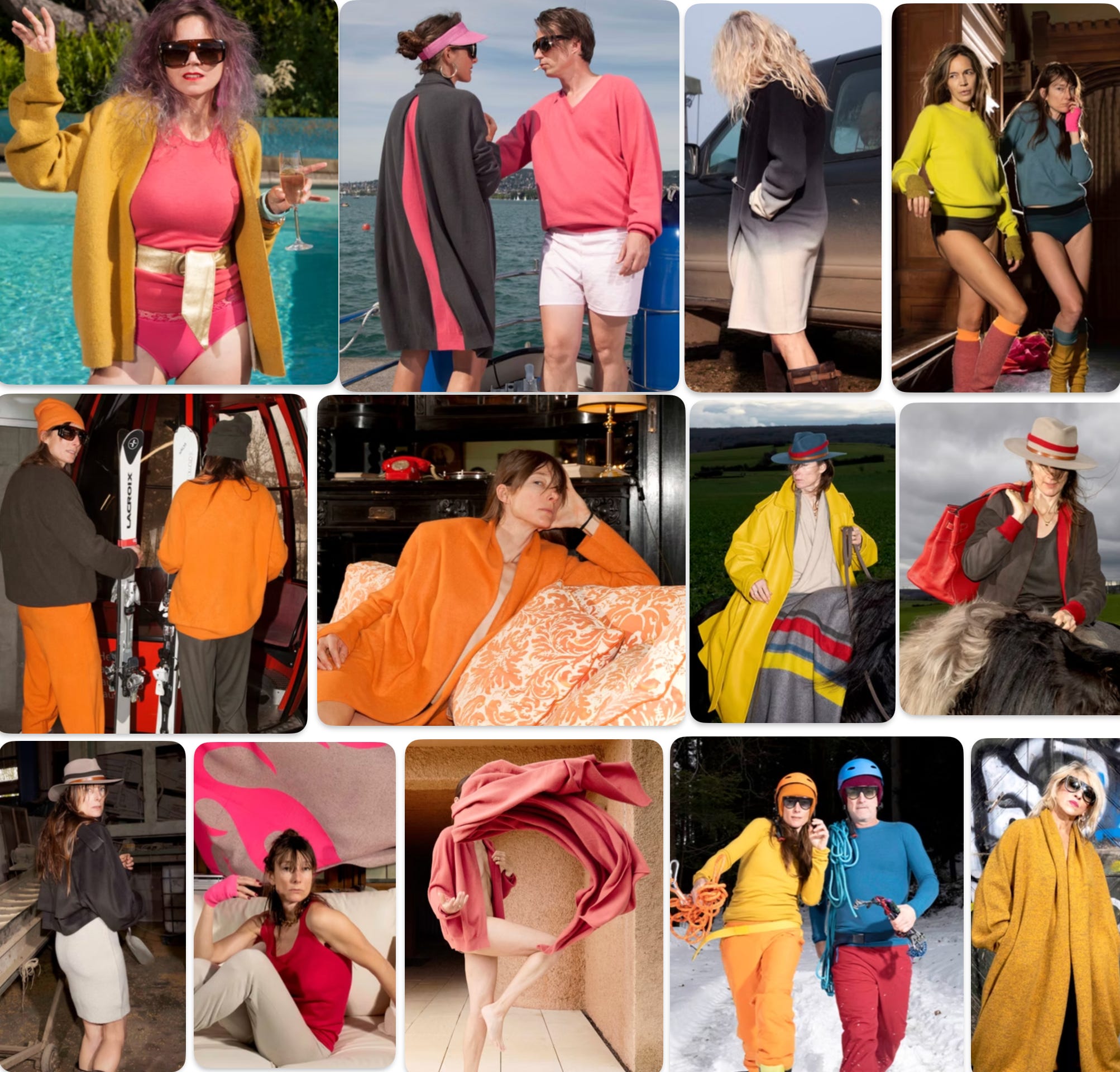
Below is the 2018FW lookbook. Frenckenberger’s business philosophy embraces everyday life, with clothing inspiration drawn from daily living. Their lookbook photography resembles casual social media posts, exuding authentic vitality. Each season’s lookbook features photographs of the two founders, mostly candid shots with family and friends at various occasions—poolside, picnic meadows, seaside vacations, skiing, concert venues.
From the earliest lookbooks, one can observe that Frenckenberger cashmere predominantly features solid-colored stockinette knits—simple and straightforward, with most styles being quite lightweight.
Ninety percent of their category consists of 100% cashmere, with raw cashmere sourced from Inner Mongolia. I previously wrote about 9 Hidden-Gem Cashmere Brands from the US, France & Germany — Mostly Made in China. Cashmere brands from countries without established textile industries like Italy and the UK are almost exclusively Chinese-manufactured, with factories located in Inner Mongolia, Hebei, and Dongguan.
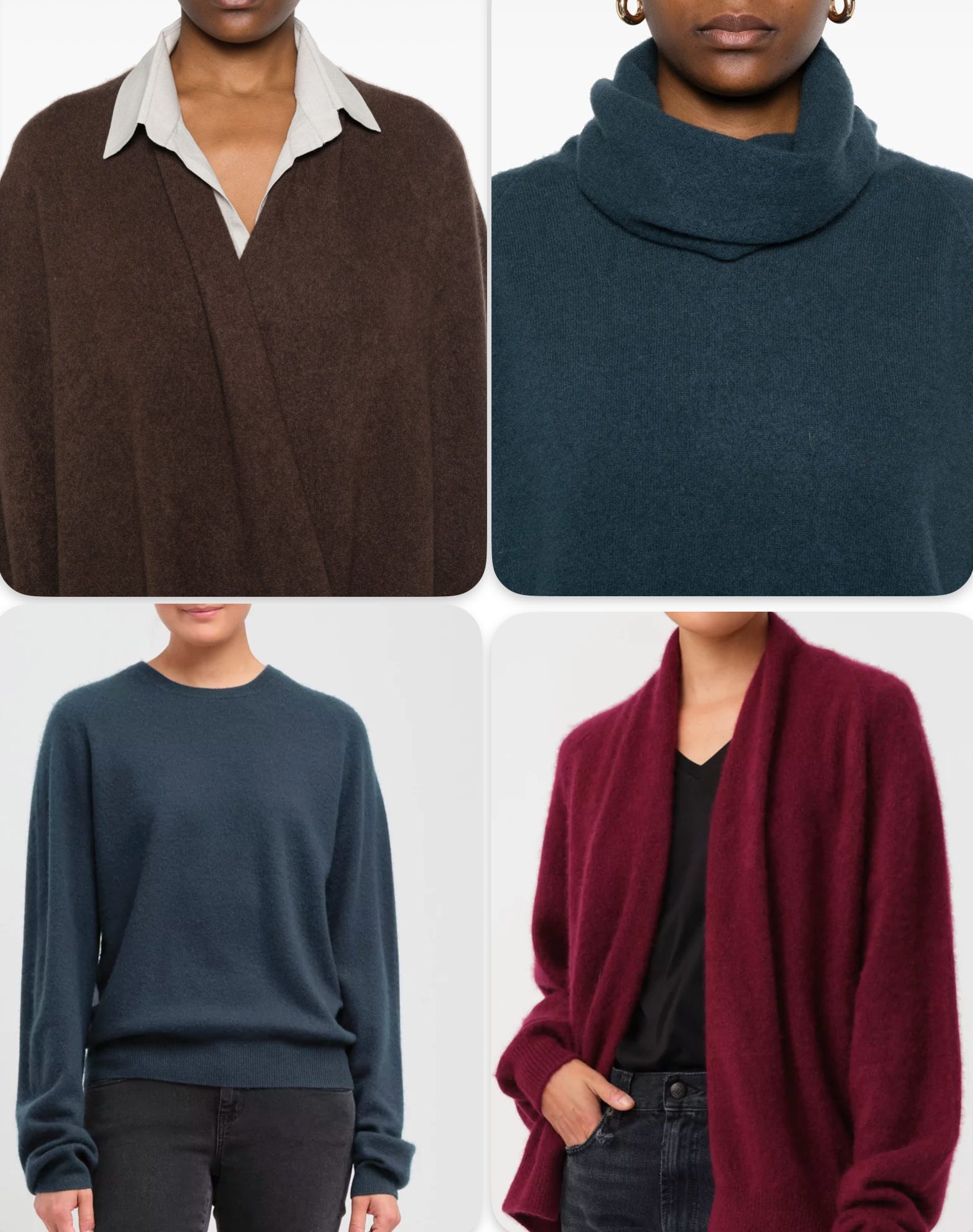
Frenckenberger employs cashmere fibers treated with gentle water-wash finishing: this process not only removes impurities and natural oils from the raw material but also, through low-temperature rinsing assisted by softening agents, maintains the cashmere yarn’s loft and smoothness—ultimately producing garments with a water-washed “soft and supple” hand feel and comfortable drop-shoulder silhouettes.
This treatment has drawbacks: it loosens the scales on the cashmere fiber surface, reducing overall resilience and making fibers more prone to breakage, shortening wear life. Additionally, fibers more easily tangle and pill, and as with Frenckenberger’s cashmere, silhouettes become soft and loose.
In my experience, Frenckenberger’s cashmere quality and positioning resemble Arch4 and Lisa Yang—all Chinese factory-manufactured, with cashmere belonging to the soft, skin-friendly water-washed category.
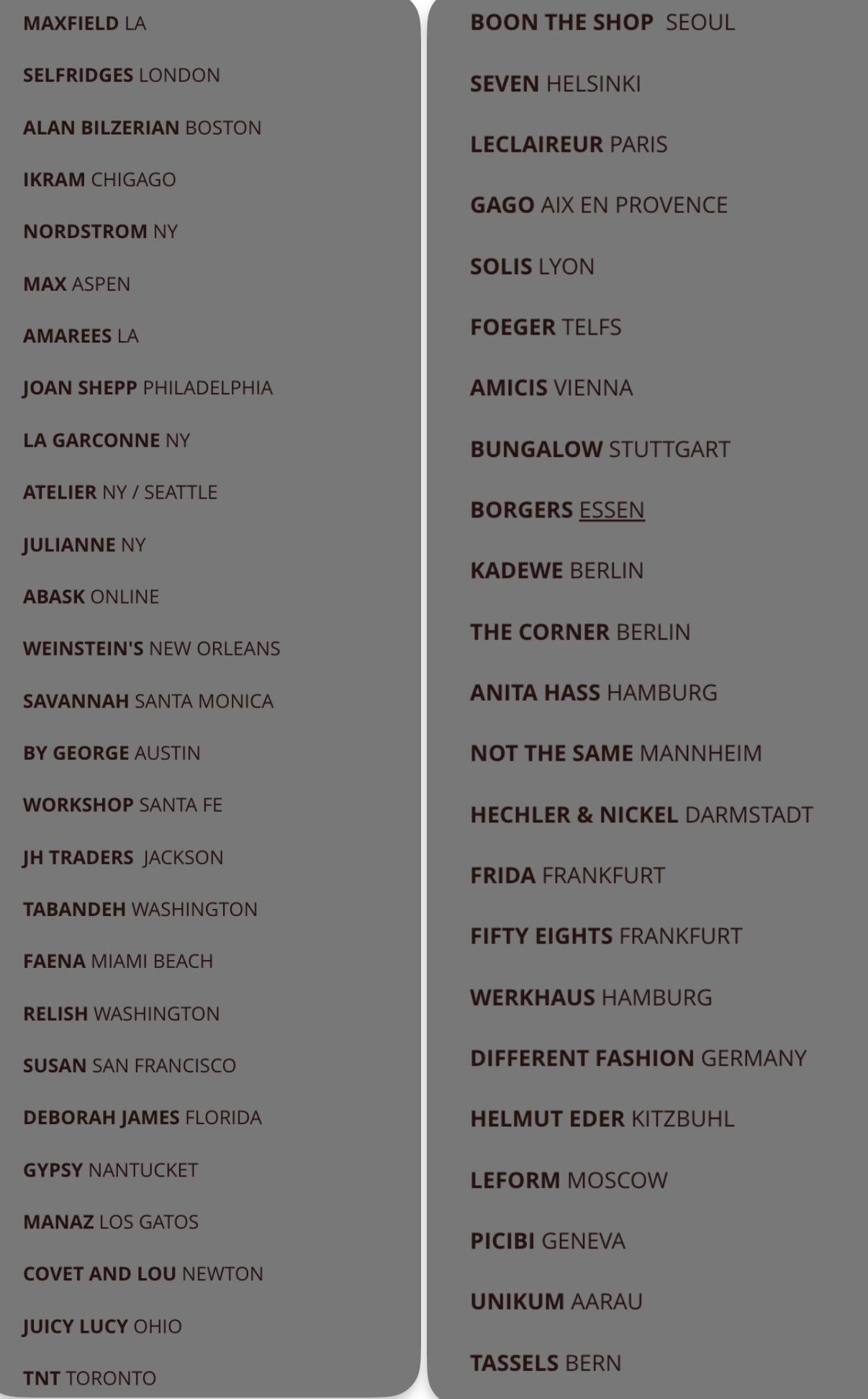
Frenckenberger’s official website features only seasonal lookbooks; the brand itself does not handle sales. Partner boutiques are located throughout Europe, primarily in German-speaking countries including Switzerland, Austria, and Germany, with a few in France and Italy, as well as major cities across various US states—likely connections Terry-Ann cultivated through Rick Owens. In Asia, only Seoul has one location. This is the first time I have encountered a brand featuring boutiques in numerous small niche cities.
02
Because Frenckenberger designs are quite fundamental with simple colors (”We love the simple chic looks”), annual releases focus more on introducing new colors and patterns, with relatively fixed silhouettes. Frenckenberger’s original basic silhouettes consist of simple men’s and women’s crew necks and V-necks with long sleeves, along with relaxed short and long cardigans. Each season occasionally features cashmere underwear, vests, short jackets, gloves, and leg warmers. Cashmere beanie hats vary in color and style each season. As the brand has developed, categories have expanded annually.
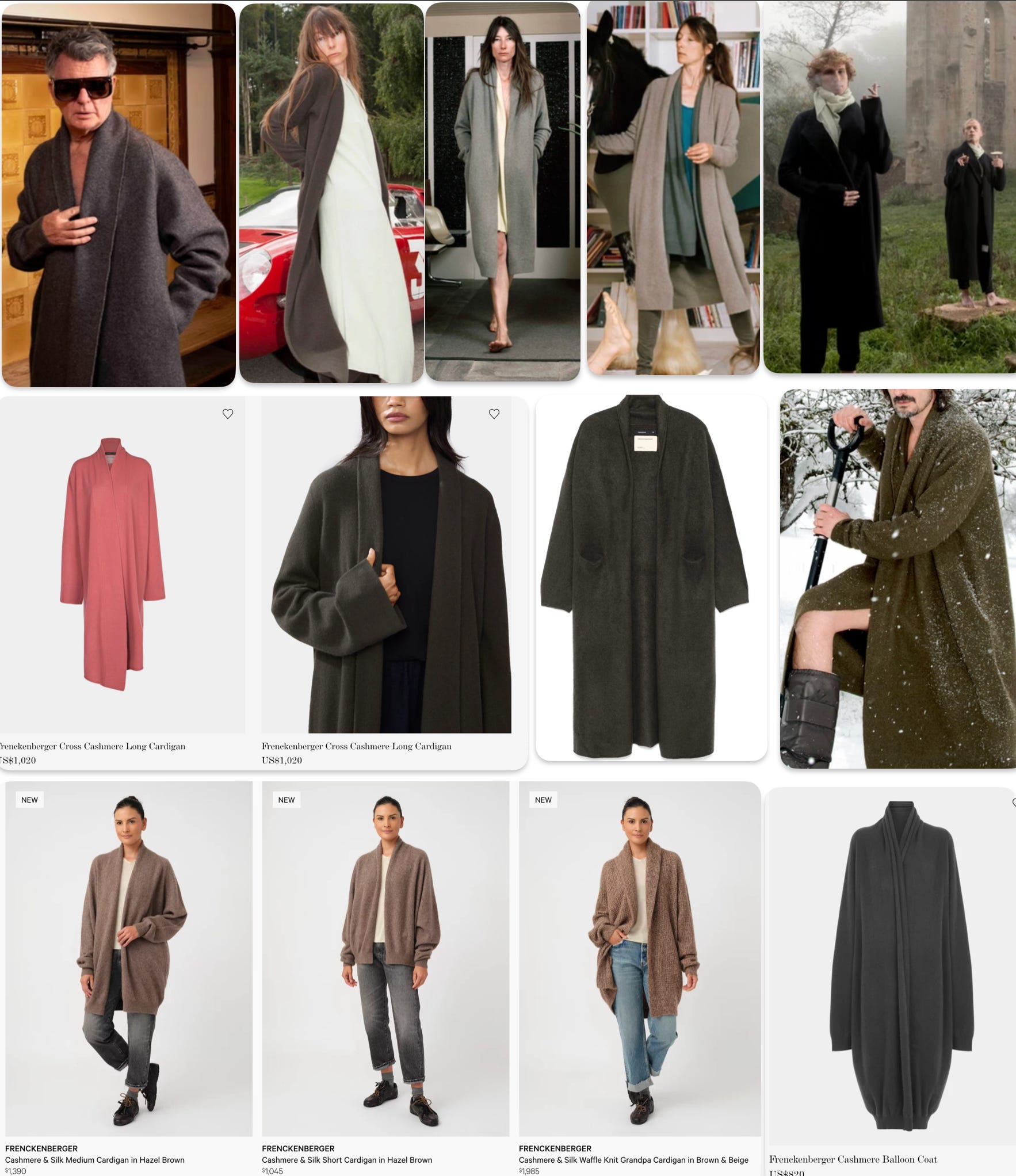
Men’s and women’s short and long cardigans constitute Frenckenberger’s most extensive category, dominating inventory at major partner boutiques. Long cardigans, depending on thickness, range around $1,000 for standard lighter stockinette knits, while thickened waffle textures can reach $2,000.
Frenckenberger’s most expensive items are thickened long cardigans or cashmere throws priced just over $2,000.
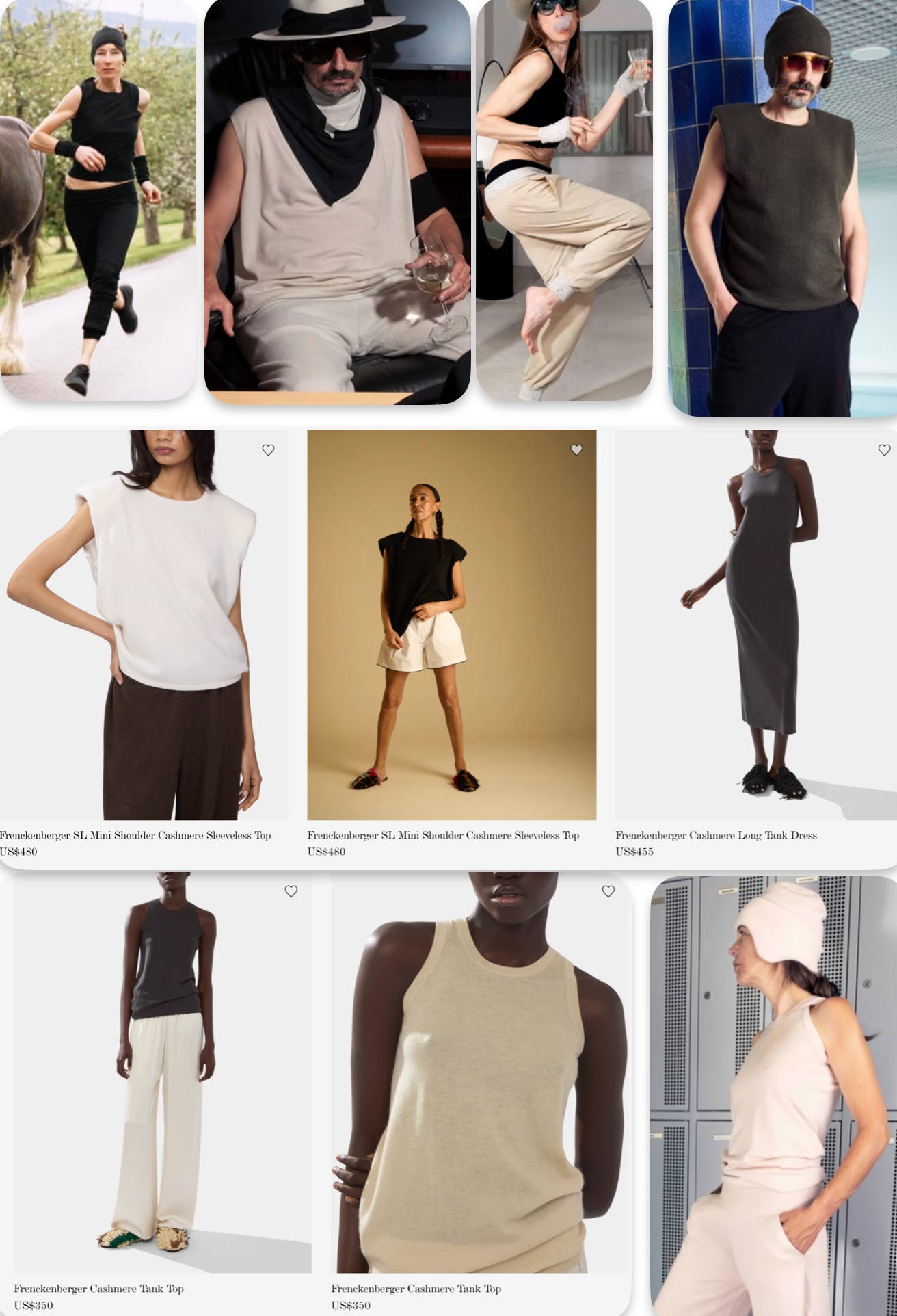
Summer collections feature numerous men’s and women’s cashmere tank tops and short sleeves, representing Frenckenberger’s most affordable category at $300 to $500.
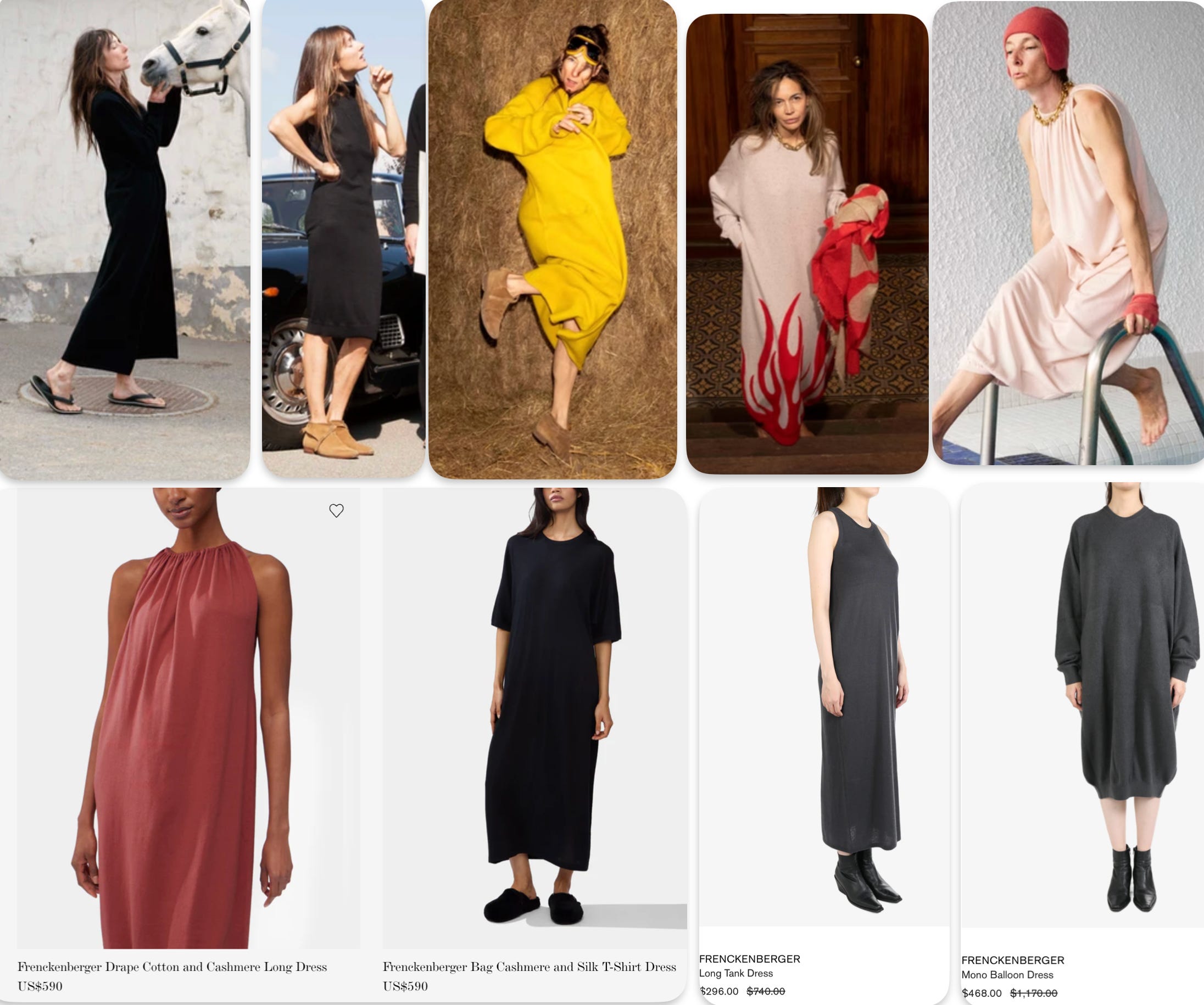
Women’s offerings include dresses of varying lengths and fabrics. Summer fabric short sleeves, jumpsuits, and bestselling pullovers feature cashmere blended with cotton or mulberry silk; autumn and winter pieces are pure cashmere, so dress prices range from $590 to $1,200.
Overall, Frenckenberger cashmere dress sales are modest, with many partner boutiques and department stores stocking them sparingly. Long-sleeved pullovers and short or long cardigans remain more popular.
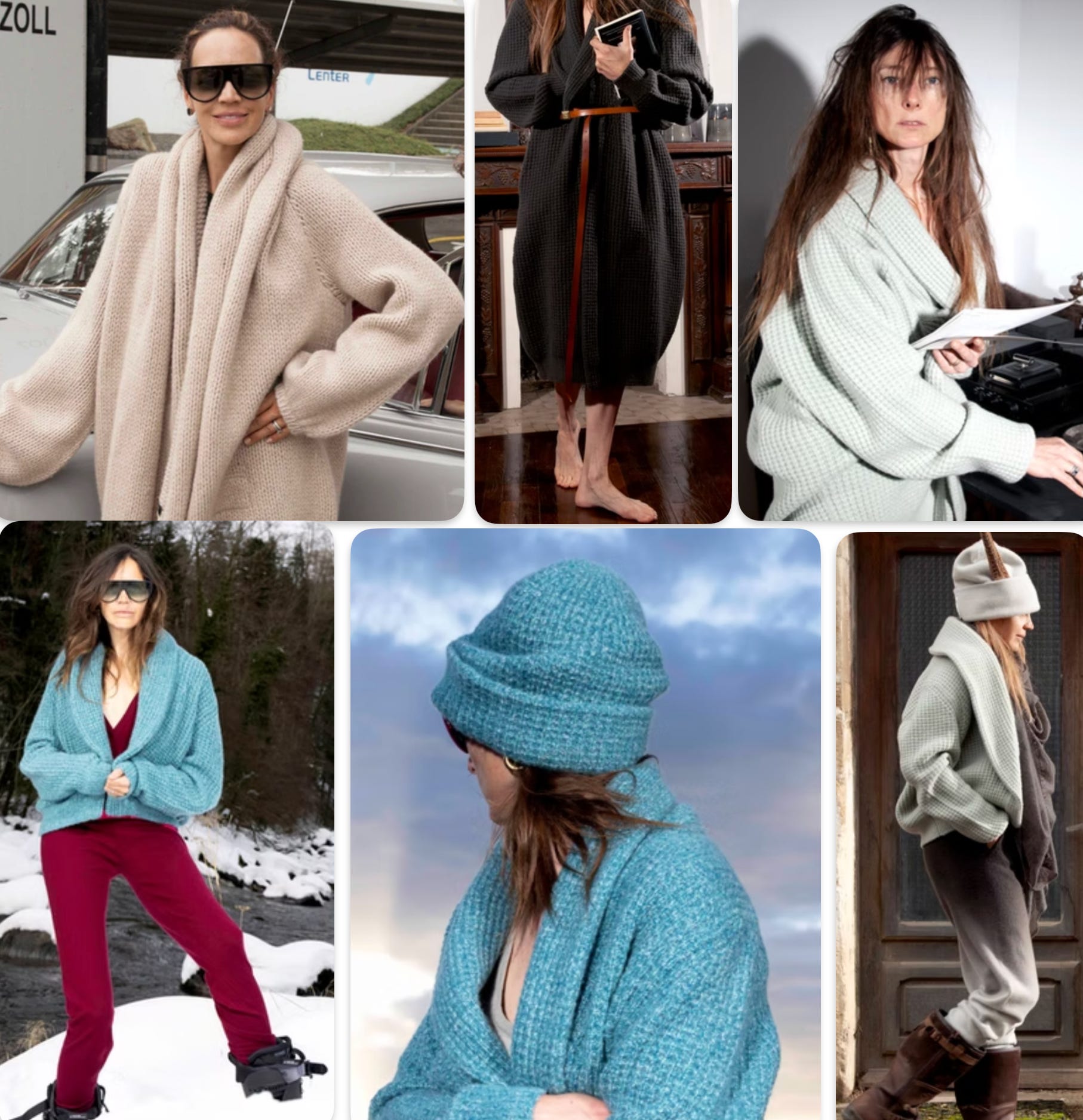
Beyond soft stockinette knits, for autumn and winter’s heavier cashmere sweaters, Frenckenberger’s signature knit texture is Waffle. Initially just standard thickened stockinette, this design has gradually evolved across each season.
However, Frenckenberger surprisingly offers 100% cashmere felt hats, which caught me completely off guard. I never expected my first encounter with pure cashmere fedoras would be through a cashmere brand rather than a specialized hat brand.
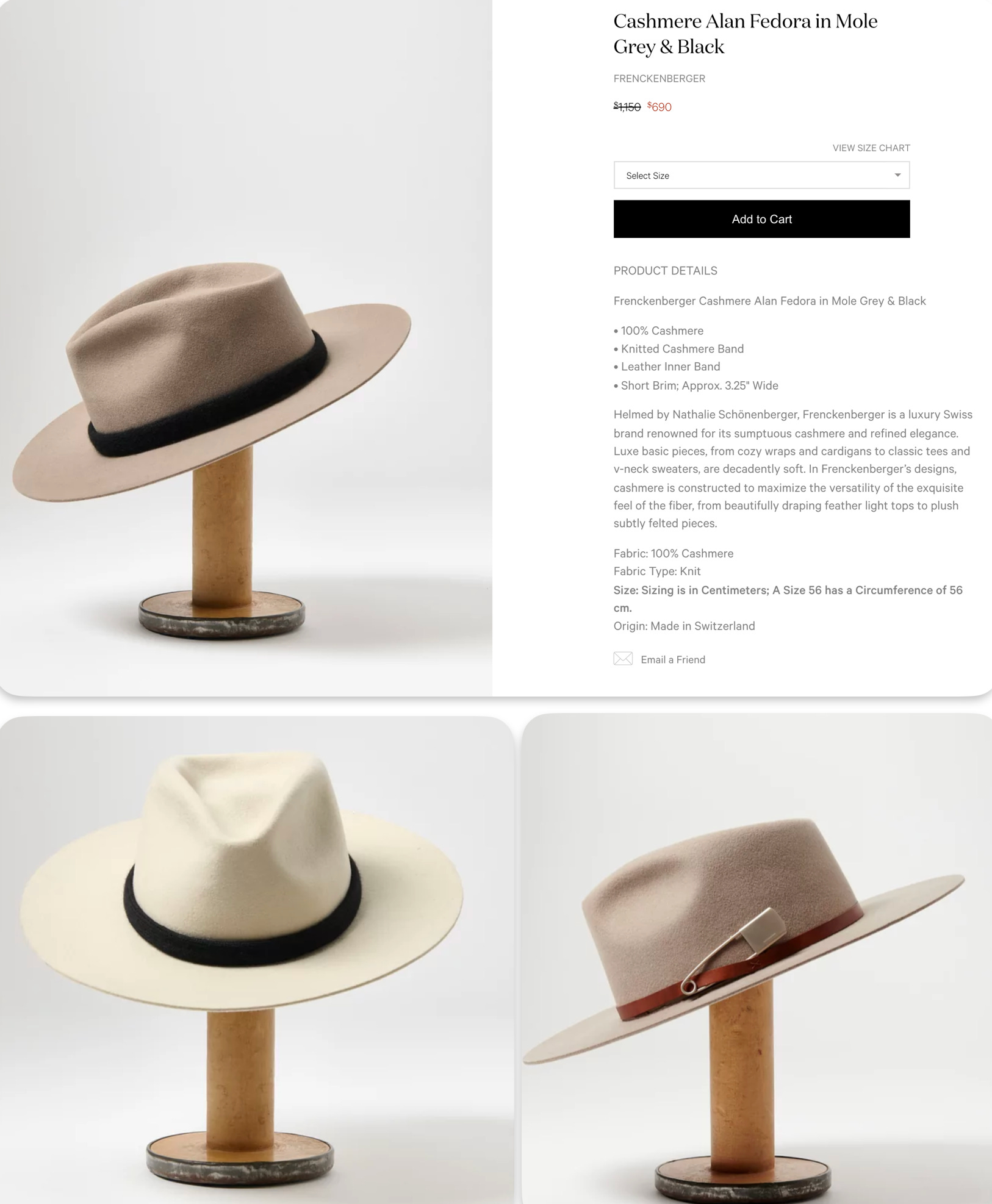
Beginning with Frenckenberger’s 2022SS collection, men’s and women’s pure cashmere wide-brimmed hats appeared, subsequently featuring regularly across seasons in 2022 and 2024.
Because felt hats involve felt craftsmanship, some cashmere coats and vests from Frenckenberger also employ felt, though in 100% cashmere.

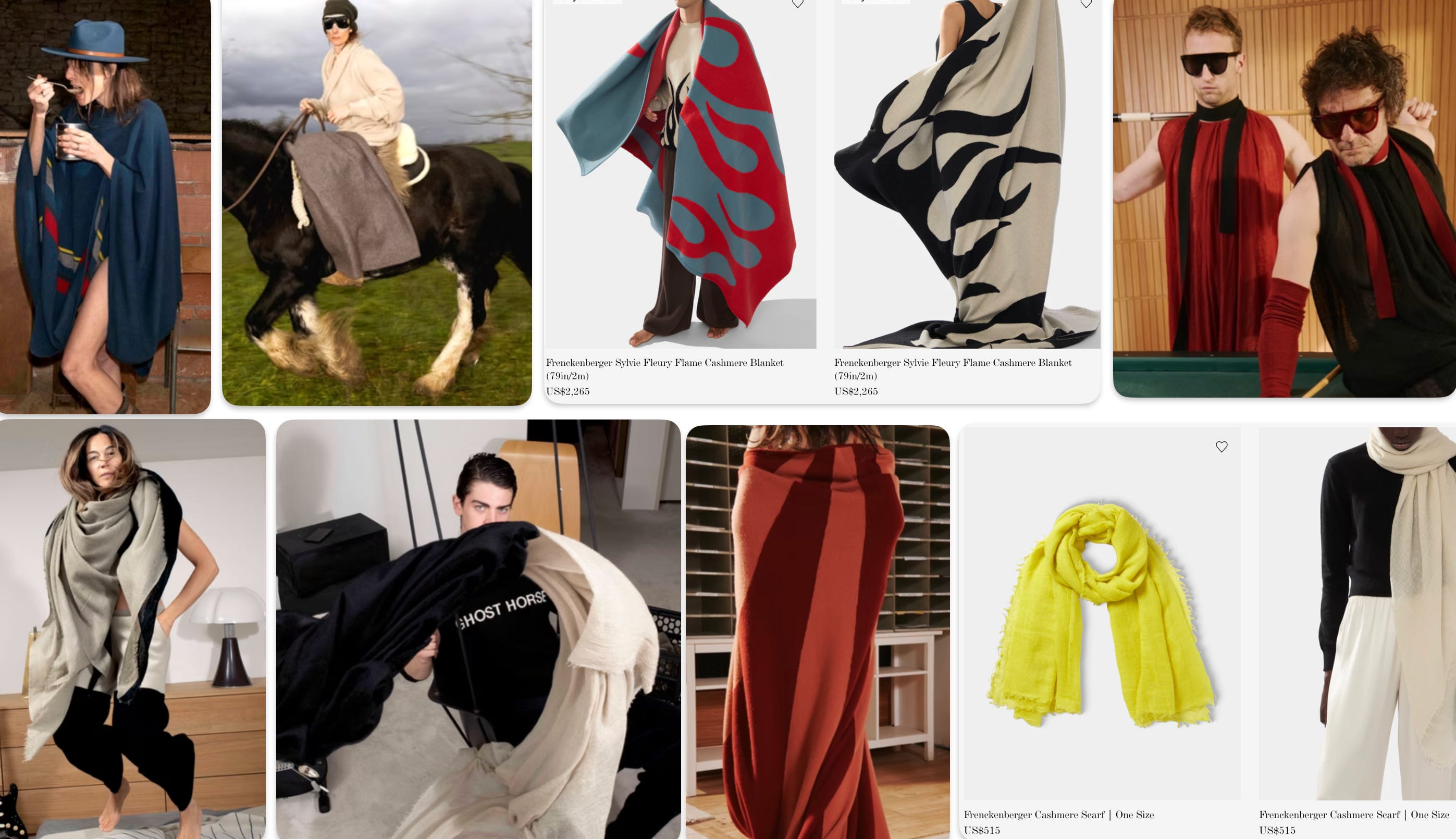
Additionally, beginning with 2023FW, Frenckenberger has emphasized cashmere shawls and scarves, with each subsequent season featuring one or two shawls and scarves in different knits, sizes, and thicknesses.
Epilogue
I admittedly view Switzerland through a romanticizing filter. Indeed, every time I write content involving Switzerland, the experience proves excellent—people are casual and easygoing, with aesthetics consistently refined. Although the only Swiss-made product in my home is a Swiss Army knife, I will continue following Swiss brands I encounter.
In these accompanying photos, the cardigan I am wearing is from Arch4, and the pants are also made from soft water-washed cashmere similar to Frenckenberger’s. While this type of cashmere pills easily, sags, and does not last as long as untreated versions, it genuinely feels skin-friendly to wear and comfortable to touch, especially after each machine wash on silk mode, becoming even softer and more comfortable.
This softening-treated cashmere is produced by many Chinese contract factories and cashmere shops of all sizes. Some poorly treated versions retain residual machine oil odor, whereas untreated, higher-quality yarns are relatively rare in China’s cashmere market.

pamperherself