Don't delay for minor camera, headphone, or microphone issues before warranty ends; apply for after-sales service promptly
Consumer electronic products usually develop various minor issues after 2 years; remember to apply for after-sales service in time before the warranty expires.


Another hard-won lesson from lived experience — right up there with buying shoes a size too small in terms of how much it stung.
Consumer electronics have a lifespan, which means warranty periods actually matter. Most standard limited warranties only cover accidental faults and genuine manufacturing defects — cosmetic damage from bumps and scratches generally doesn’t qualify. So when small, non-critical issues start appearing after a year or two of use, it’s easy to shrug and wonder whether they’d even be covered, then procrastinate, then just... live with them. That’s exactly what we did — tolerated the problems for two to three months, and by the time we finally thought to check the warranty, it had lapsed. A lot of those issues could have been resolved for free under “quality defect” claims.
Several of our electronics all started acting up within the same stretch of months, and as luck would have it, right around the two-to-three-year warranty mark. So here’s a consolidated summary of everything we learned.

01
Most consumer electronics come with a two-to-three-year warranty, and the Nikon camera, Sennheiser headphones, iPhone and MacBook we originally bought all quietly expired in the first few months of this year.
Apple products were manageable, mostly because AppleCare requires an active, paid subscription — it shows up clearly in your system settings, and since you’re paying real money for it, you don’t tend to forget. Once I had the iPhone back panel replaced, I cancelled the AppleCare subscription and plan to use it for another year or two before trading it in. The MacBook, being a high-spec purchase, is worth keeping on AppleCare, so I renewed that.
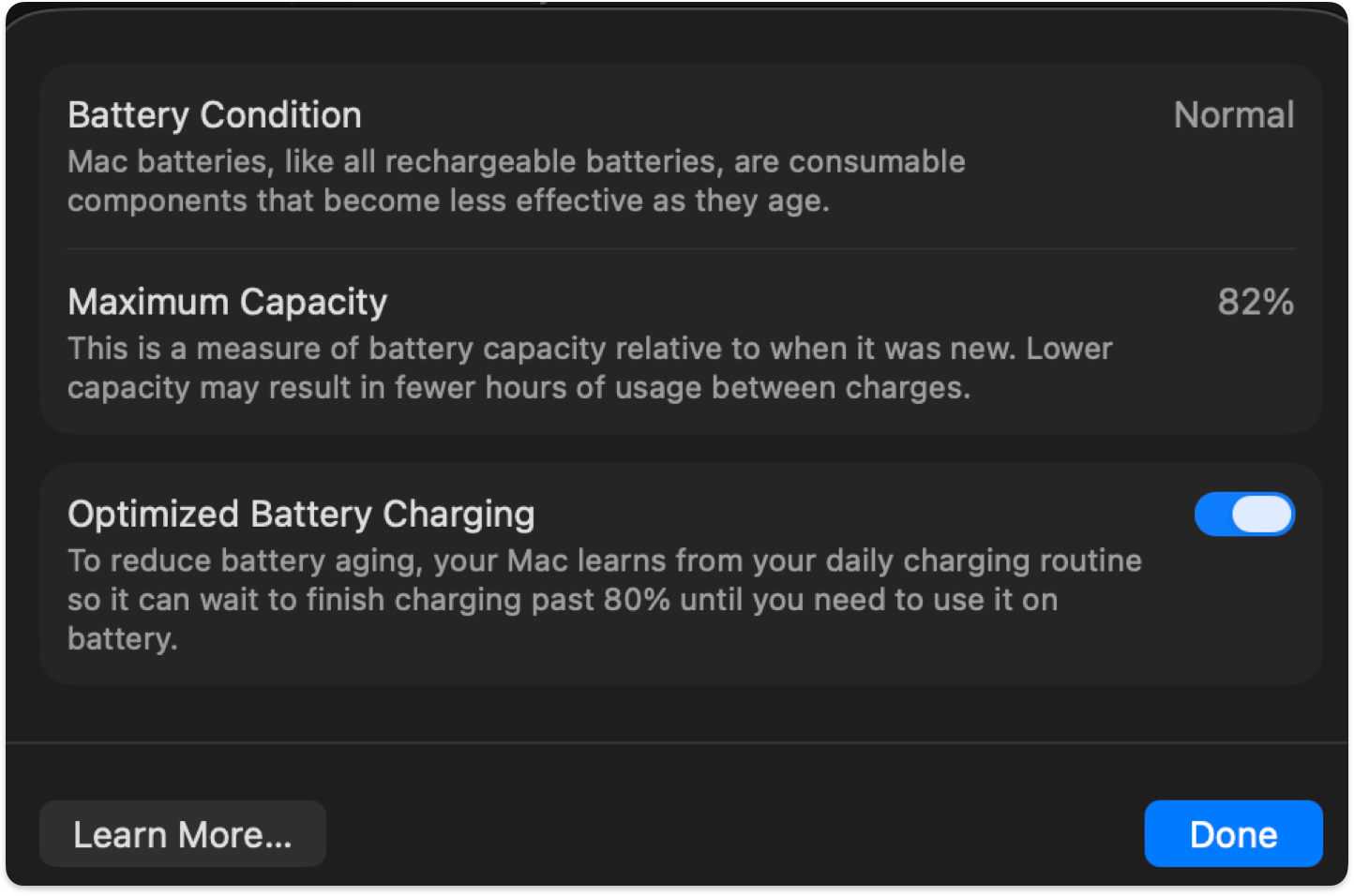
The laptop battery is currently at 82% health. I’m going to wait until it hits 79% and then try to use a battery replacement claim to also get the keyboard and bottom case swapped out at the same time.
For everything else — the camera, microphone, headphones — the warranty is just a line item nobody reminds you about. There’s no separate fee, no renewal prompt. And after two years of daily use, you genuinely forget the coverage exists. So when the over-ear headphones started peeling, the camera lens cap began warping outward, and dust crept into the CMOS sensor leaving little dark specks across photos, we tolerated all of it for two to three months. By the time it occurred to us to actually file a claim, every single one of those warranties had just expired. Now any repairs come out of pocket.

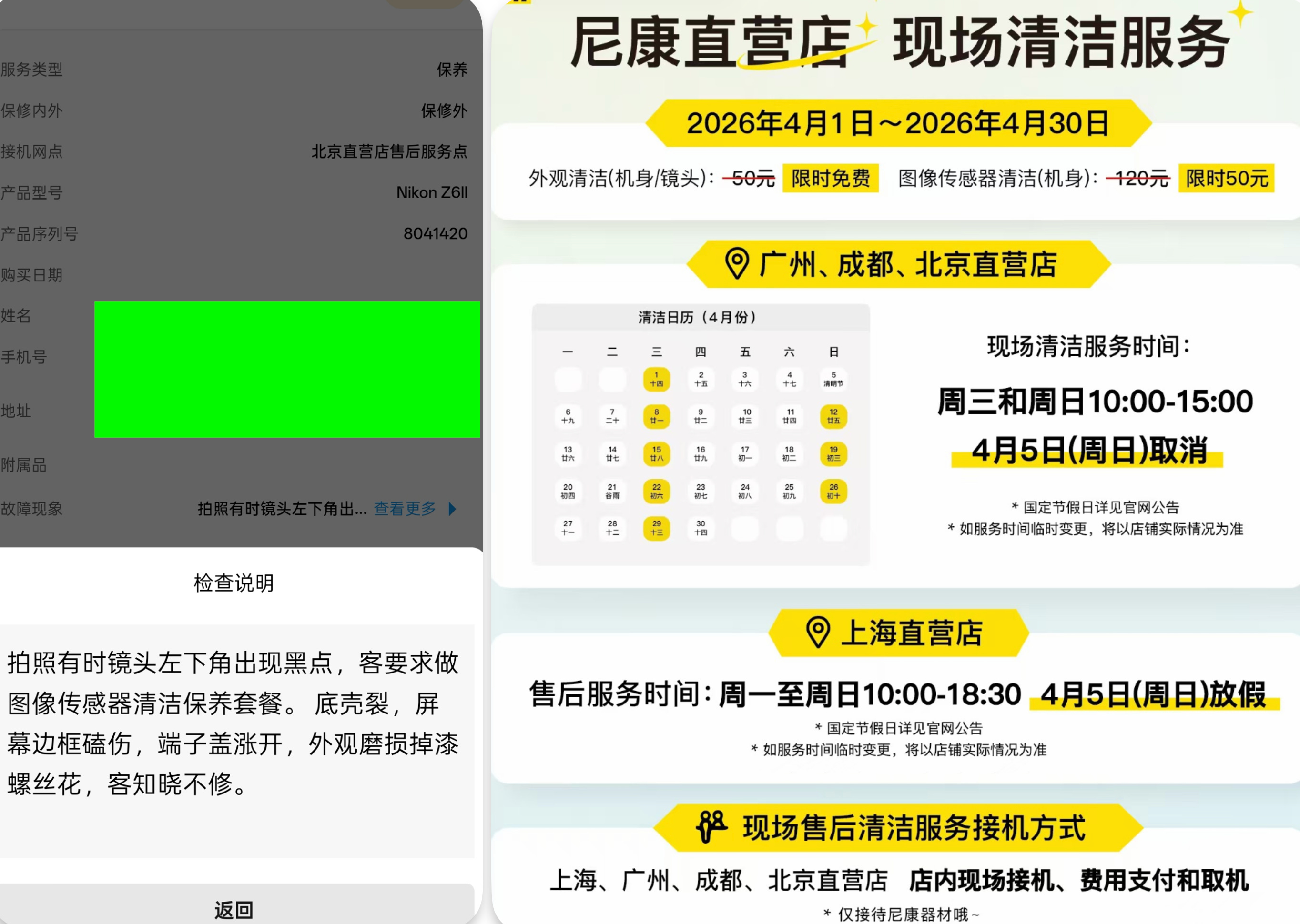
The camera was sent to Shanghai for servicing. Fortunately nothing serious turned up — a CMOS sensor dust cleaning cost ¥120 and that was that. The scratches, dents, lens contact corrosion, and the swollen microphone port cover all needed separate paid repairs, so I left those alone. If we’d been within the warranty window, all of those could have been claimed as “material defects” at no charge. But we weren’t. After three years, and given that it’s an entry-level body with limited resale value, it’s not worth sinking more money into — it’ll stay as a backup.
What I discovered afterward: within the warranty period, Nikon offers one free CMOS and exterior cleaning per year. I had no idea. We let February pass, the warranty expired, and then paid for a cleaning we could have gotten for free.
After the service, I also found out that Nikon’s official stores run a camera cleaning event with prices roughly half the usual rate — open to any Nikon body, regardless of where it was purchased or whether it’s still under warranty. We just missed that too.
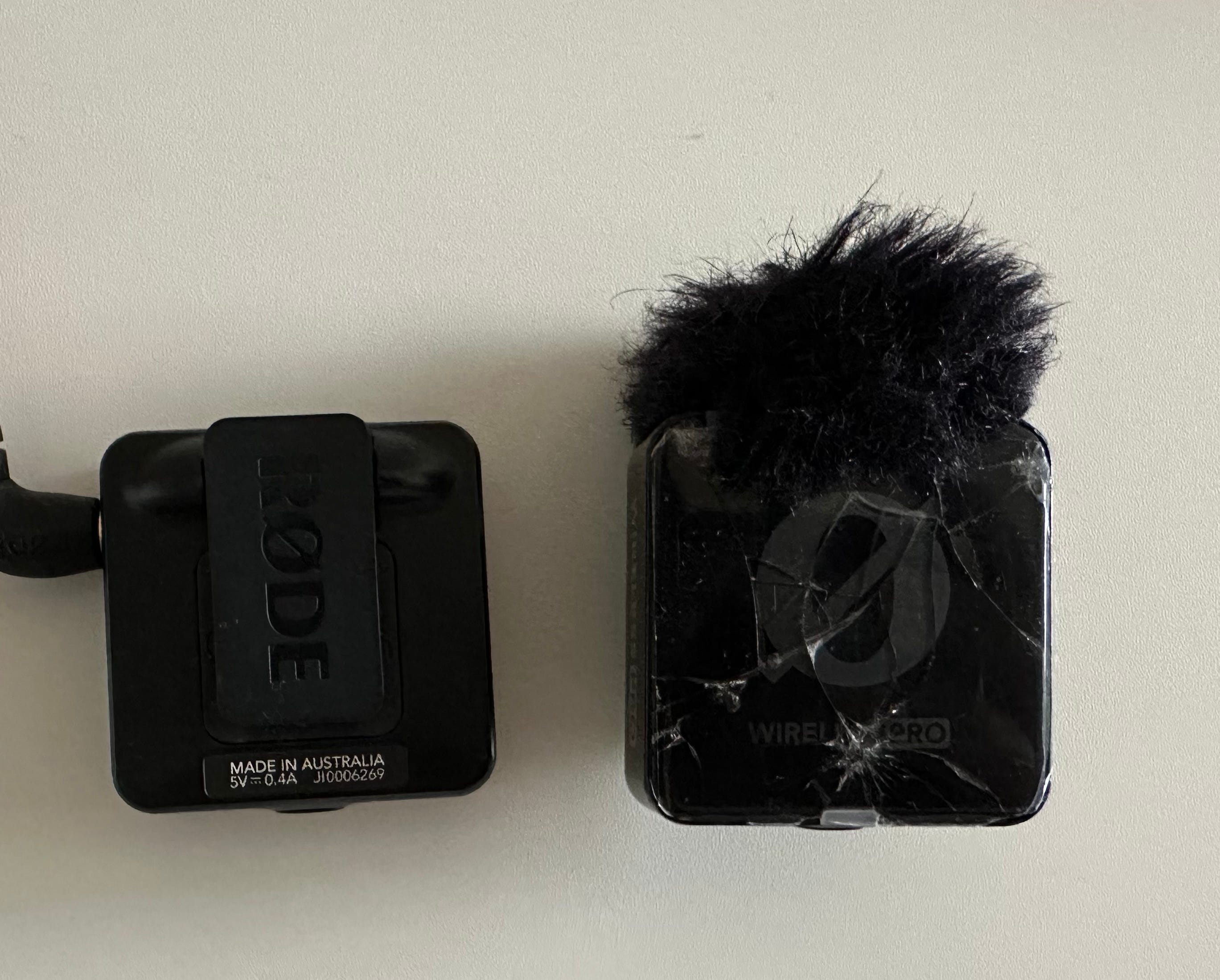
The Røde microphone was a different situation — the clip had broken, making it impossible to mount on the camera’s hot shoe, which genuinely affected how I use it. That I couldn’t ignore. I also noticed that Røde had updated their warranty policy on social media recently, extending coverage to five years, so I brought it in. The clip replacement was free, but the cracked screen would cost extra to fix — and the quote was high enough that buying a new unit almost makes more sense. For now, a strip of clear tape is holding it together well enough.
Screen damage on electronics is almost universally classified as user-caused, since it typically requires significant physical force to crack. That makes it very hard to argue as a manufacturing defect under a free warranty claim.
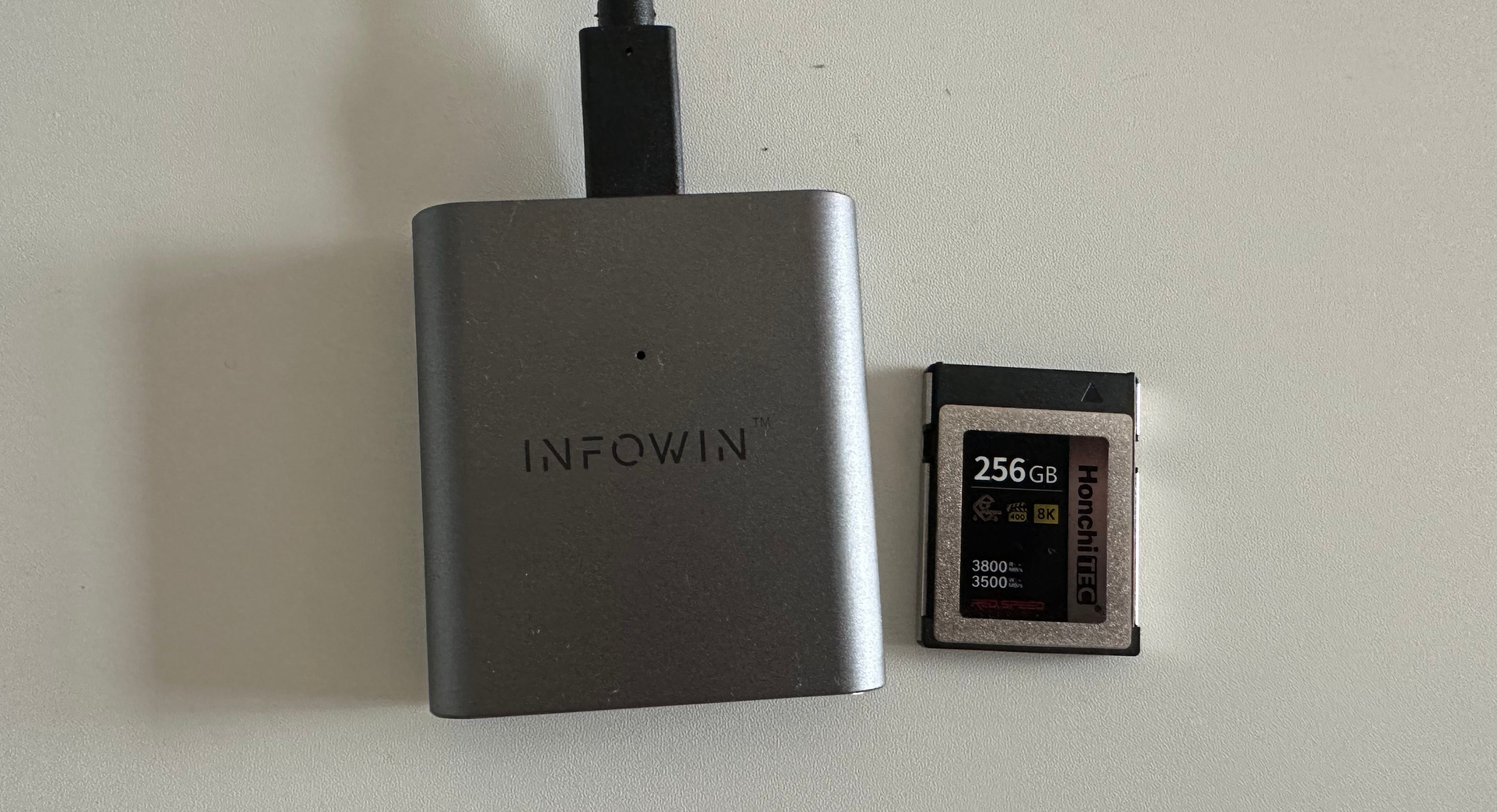
The CFE memory card was the one success story. Once the card started showing signs of age — transfer speeds for photos and videos dropped noticeably — I contacted customer service immediately and got a brand-new replacement. This card costs significantly more than a standard card, and the main reason is its lifetime free replacement policy. I’d honestly wondered at first whether the salesperson had pushed an overpriced no-name brand on me. Going through the replacement process for the first time made me understand what “lifetime free replacement” actually means in practice — quick, painless, and they swap it for an updated model with equivalent specs if the original is no longer in production. Same as Apple does.
That said, this kind of lifetime coverage only really makes sense for smaller accessories. For anything over ¥10,000, you’d need to purchase your own extended protection plan — the same way AppleCare works.
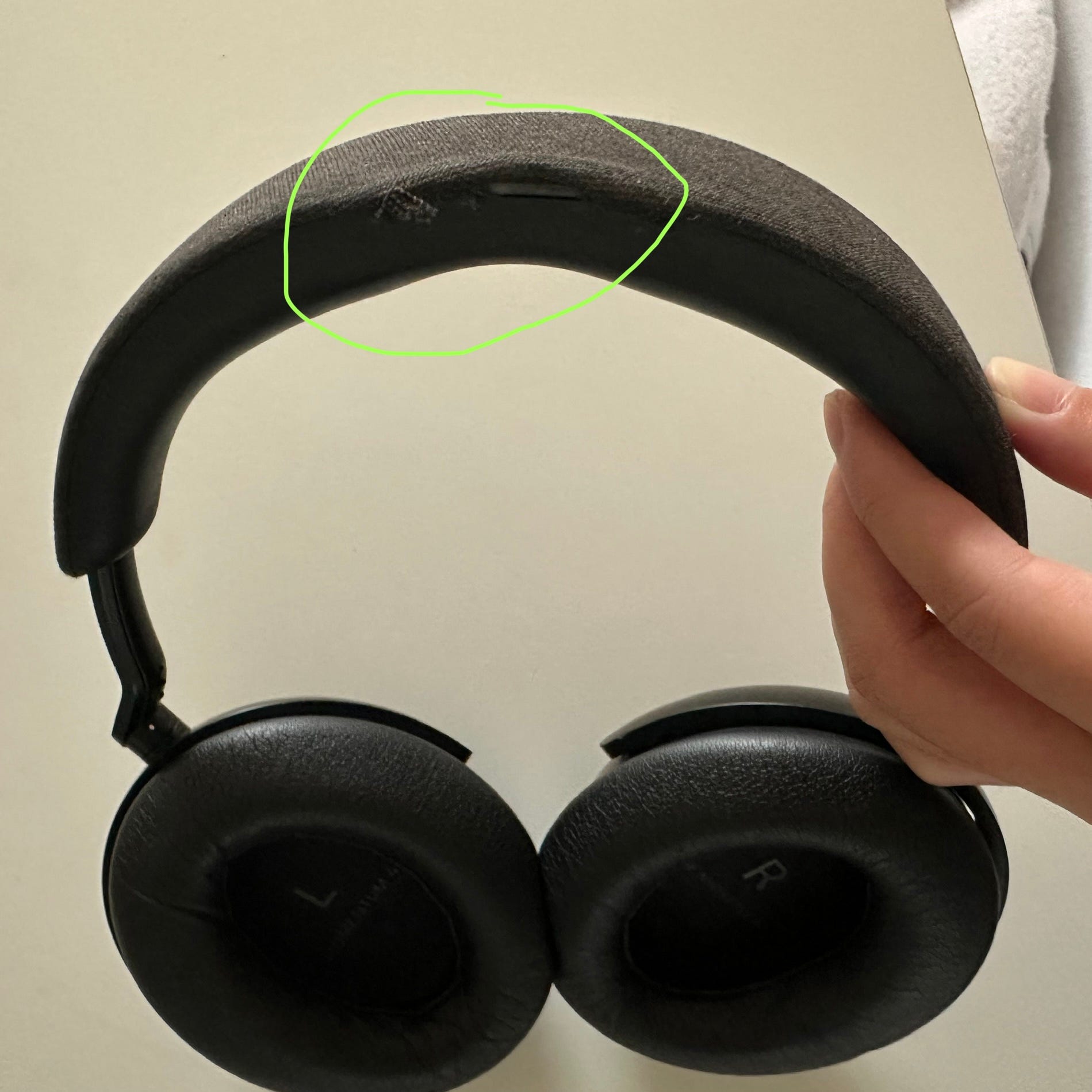
The Sennheiser Momentum 4 headband fabric coming loose in the center is exactly the kind of issue that could have been claimed as adhesive aging, insufficient sweat resistance, or a bonding defect from manufacture — all perfectly valid grounds for a free replacement within the warranty period. But I kept putting it off, thinking it wasn’t a big deal. If the camera problems hadn’t forced me to think about warranties at all, I probably wouldn’t have remembered the headphones had coverage. That’s the painful lesson here: deal with it promptly, and you might walk away with an entirely new pair of headphones, or at minimum a new headband assembly. Wait too long, and you get nothing.
I’ll be honest — I don’t have high expectations for headphones as a category. They’re inherently uncomfortable; wearing them feels like losing access to one of your senses. We don’t use them that much anyway, so I kept telling myself it was fine.
Epilogue
The lesson across all of this: when your personal electronics develop cosmetic or minor functional issues, handle them while still under warranty. Don’t be like me with the headphones — a free full replacement, lost because I waited too long. Or the camera — free cleaning and free shell repairs, replaced by out-of-pocket costs because the window had closed.
Electronics you use every day will typically show some sign of trouble within one to three years. The warranty timeline is entirely different from clothing, where you get three months of post-sale support or seven days of no-questions returns. Next time I buy a camera, microphone, or a laptop, I’m reading the warranty policy carefully upfront — and setting a calendar reminder two weeks before the expiry month arrives.

pamperherself