Differences Between the Top 3 Extra-Long Staple Cottons : Giza 45, Suvin, and Sea Island


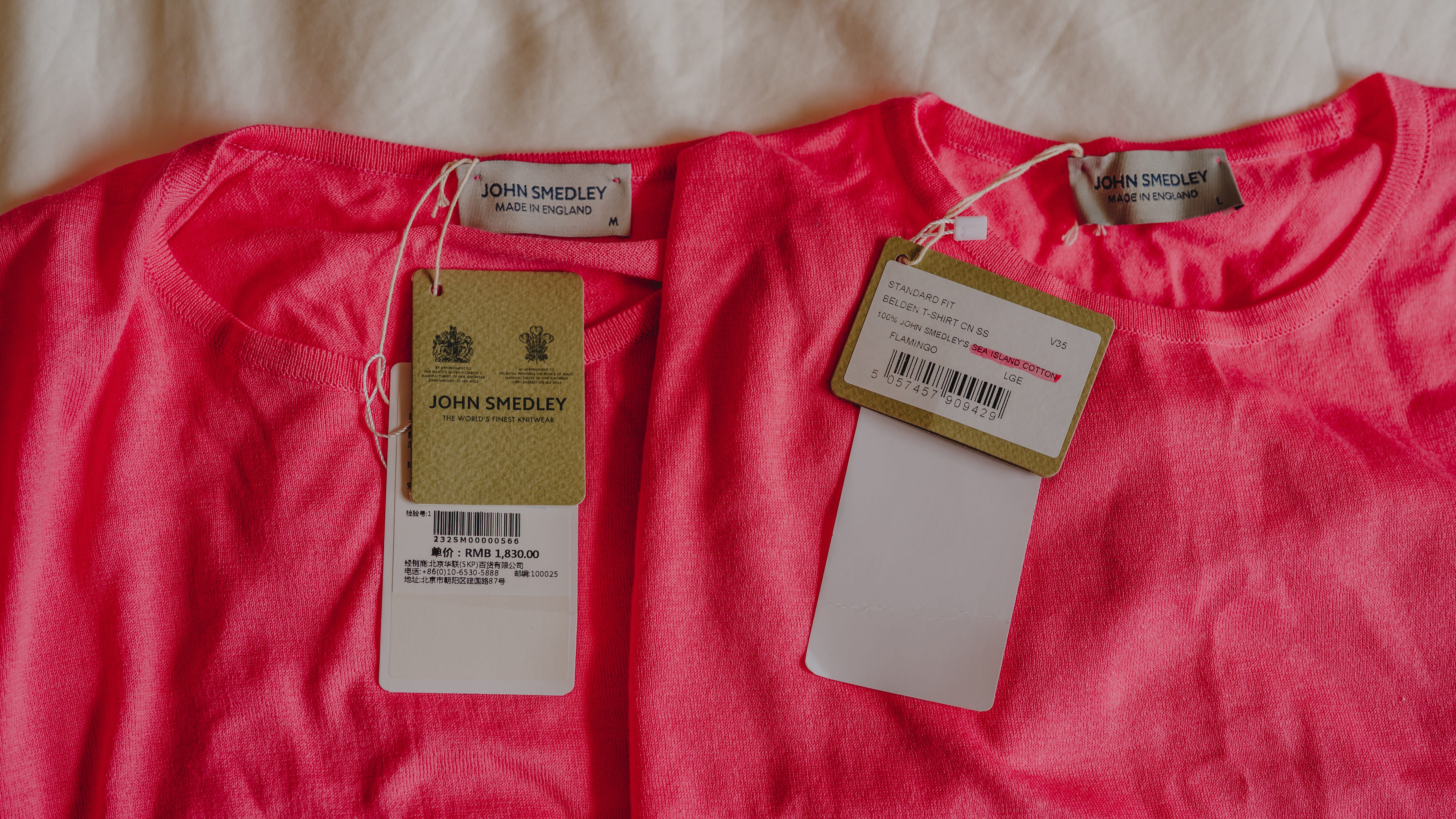
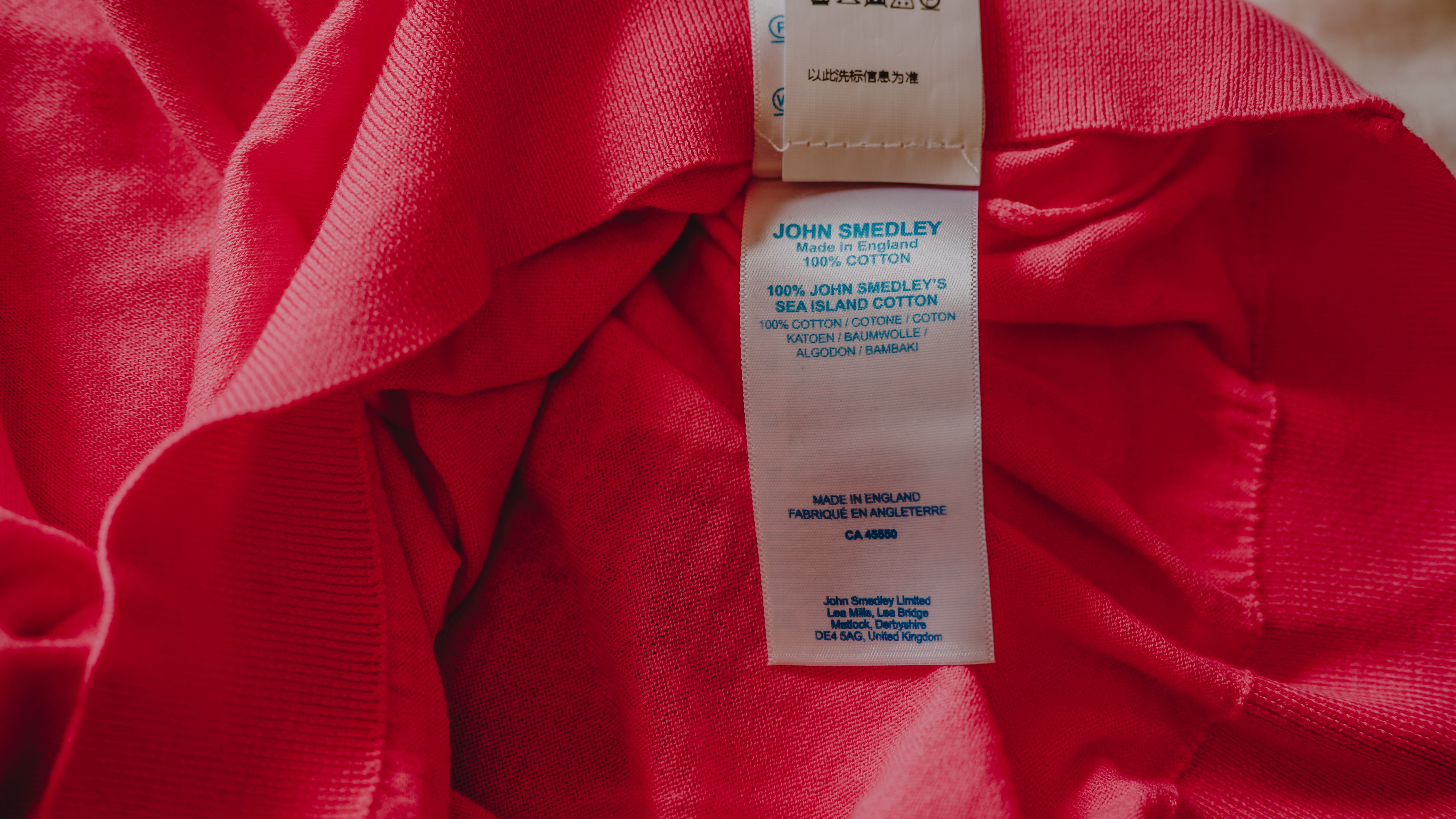
Summer is here, and my wardrobe has grown by a few John Smedley Sea Island cotton short-sleeves — my very first Made in England pieces. I picked up a men’s M, and Eddy grabbed two in L. These are officially our first Sea Island cotton items.
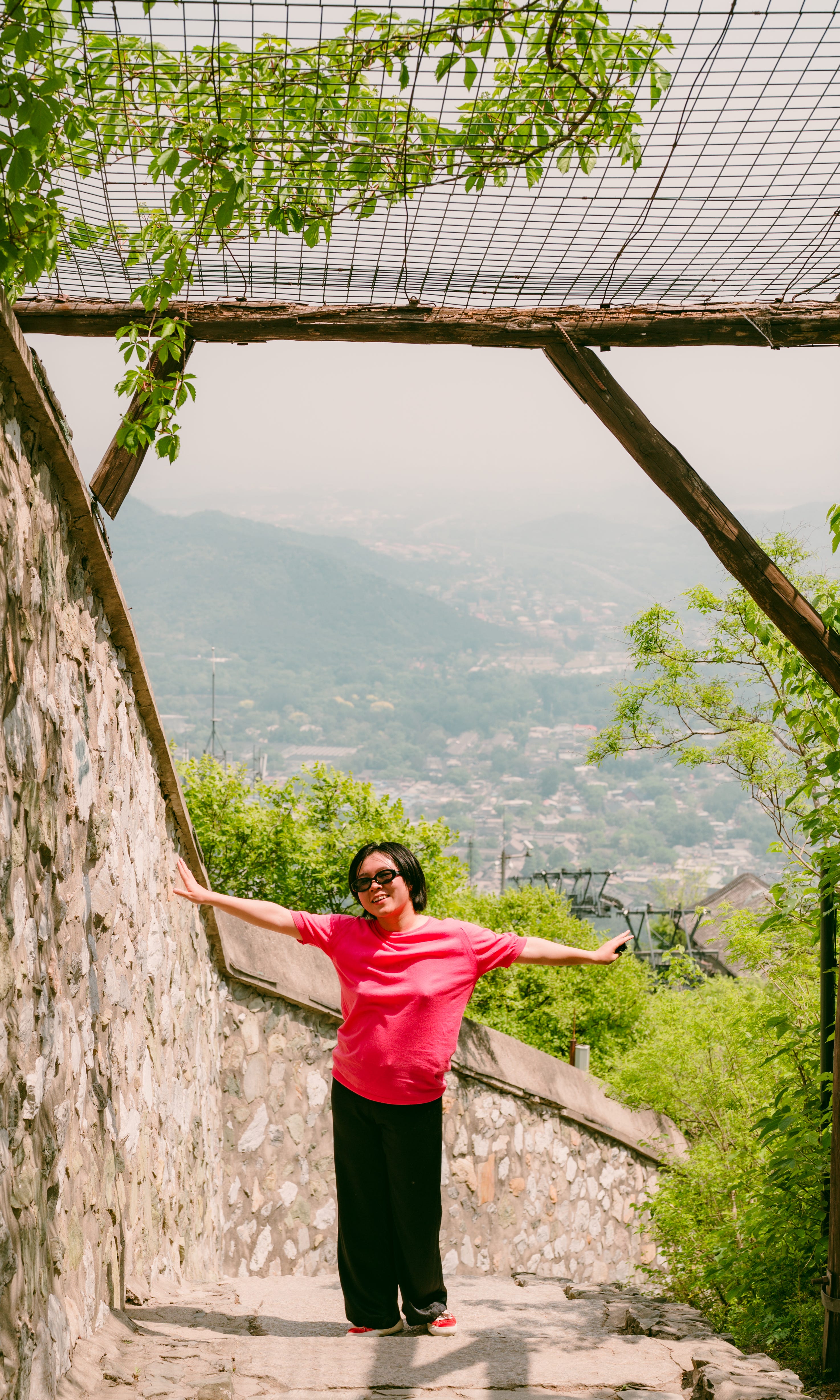
In past summers, I could only bring myself to wear linen or mulberry silk — I always assumed cotton would feel stuffy and suffocating, so I only ever recommended pure cotton to men. This year, I wore a Sea Island cotton top on a hike and genuinely had a change of heart. The finest cottons are actually quite remarkable. Going forward, I plan to pay much closer attention to Sea Island cotton, Indian Suvin cotton, and Egyptian Giza 45 — in both lightweight short and long-sleeve forms.
These three are the finest cotton varieties in the world right now. Like the best cashmere, the fibers are long and fine, with a natural softness and a subtle sheen. Thanks to the long-staple fiber structure — which absorbs moisture much like a sponge — all three wick sweat away from the skin quickly. They genuinely feel drier and less clammy than standard cotton, with no clinging or stuffiness. That said, the very density of the long-staple weave also means more moisture is retained inside once you’ve broken a sweat; it evaporates slowly, and that cool, damp sensation can linger for quite a while.
With that in mind, I want to continue building on last year’s piece about 6 essential men’s pure-cotton knitwear brands with a deeper look at cotton fabrics themselves.
What Indian Suvin, Egyptian Giza 45, and Caribbean Sea Island cotton all have in common: ① They are all hand-harvested long-staple cottons. ② Fiber length is at least 35mm — the benchmark for top-tier cashmere as well — with Sea Island reaching up to 50mm, Giza 45 sitting around 45mm (as the name implies), and Suvin coming in slightly shorter. ③ All three grow in conditions of exceptional sun exposure and rich soil, which gives the fibers an extraordinarily high natural oil content, resulting in an organic, wax-like luster reminiscent of silk — though each has its own distinct character. Inferior cottons need a 20% or so silk blend to achieve any sheen at all; premium cottons, like premium cashmere, carry their luminosity on their own.
Of the three, Sea Island is the finest, the rarest, and the most expensive. Because it sits at the very top of the hierarchy, many high-end knitwear and minimalist luxury brands will call it out explicitly on the label. One important note: if you’re shopping for Sea Island cotton, stick to established British or Italian brands, or look for WISIC certification.
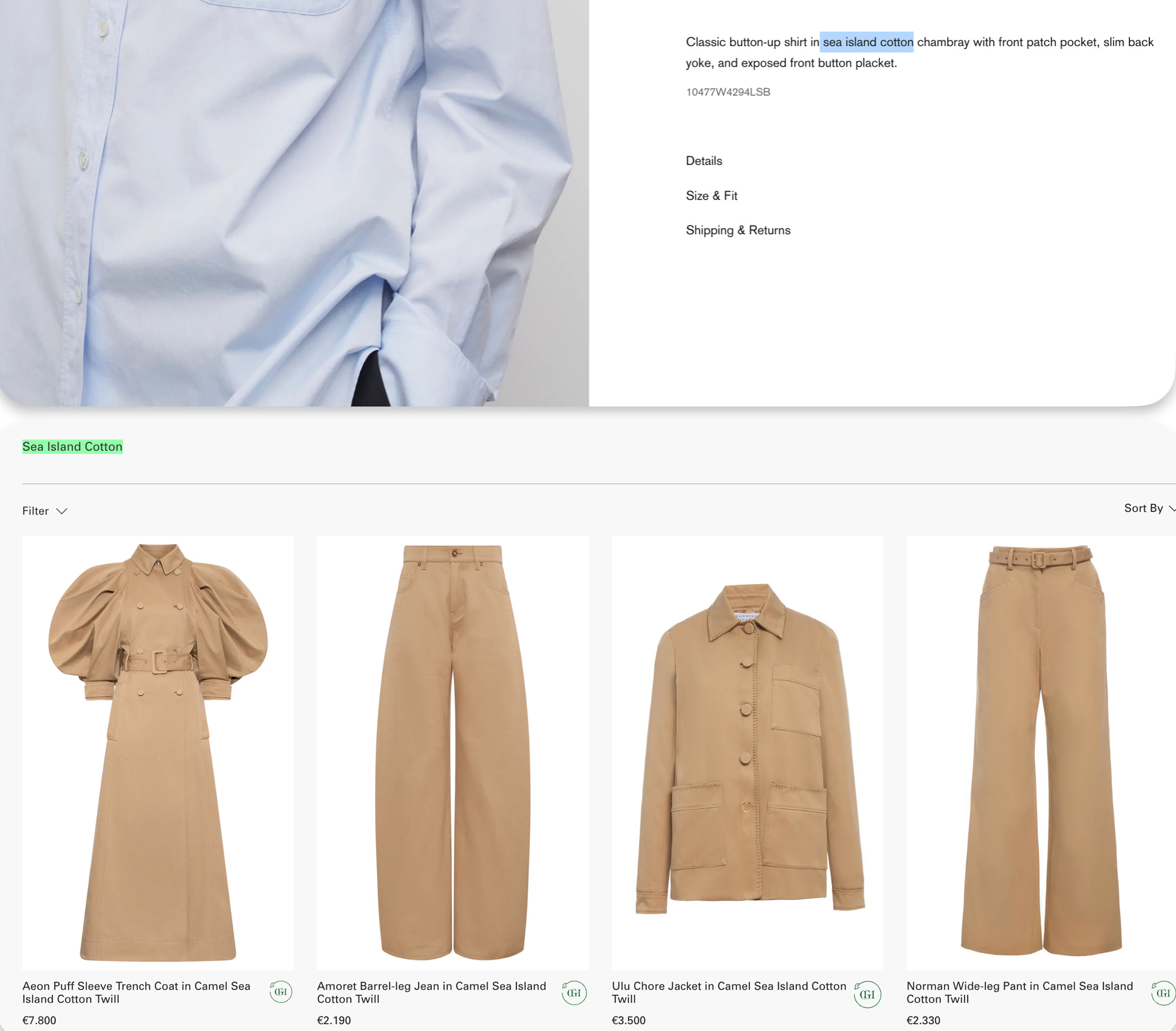
Looking at the details: Sea Island cotton fabric is pillowy and smooth, with the most refined luster of the three — a soft, pearl-like glow. It’s primarily used in knitwear, and brands serious about quality cotton knitwear will almost always make a point of calling out Sea Island on the label. Its name recognition is the broadest of the three.
Second in price is Giza 45, grown in a very specific part of the Egyptian Nile Delta. Its yield represents only a small fraction of Egypt’s total long-staple cotton output — though still considerably more than Sea Island — and it was successfully cultivated there by Italian scientists in the twentieth century. It’s important to note: this means Giza 45 specifically, not the broader Giza category. Masserano Cashmere, for instance, makes spring/summer knitwear from a shorter-fiber Giza cotton — not Giza 45.
Giza 45 has a newer, crisper kind of luster — sharper and more structural. Its defining characteristic is that it has the highest strength and resilience of the three, which gives it a certain crispness and backbone. For that reason, it’s most often used in shirting and bedding. Normally, the higher the thread count in cotton, the finer and softer — and more prone to limpness — the resulting fabric. Giza 45 is the exception: even at 150-count single-ply and above, it holds its structure beautifully.
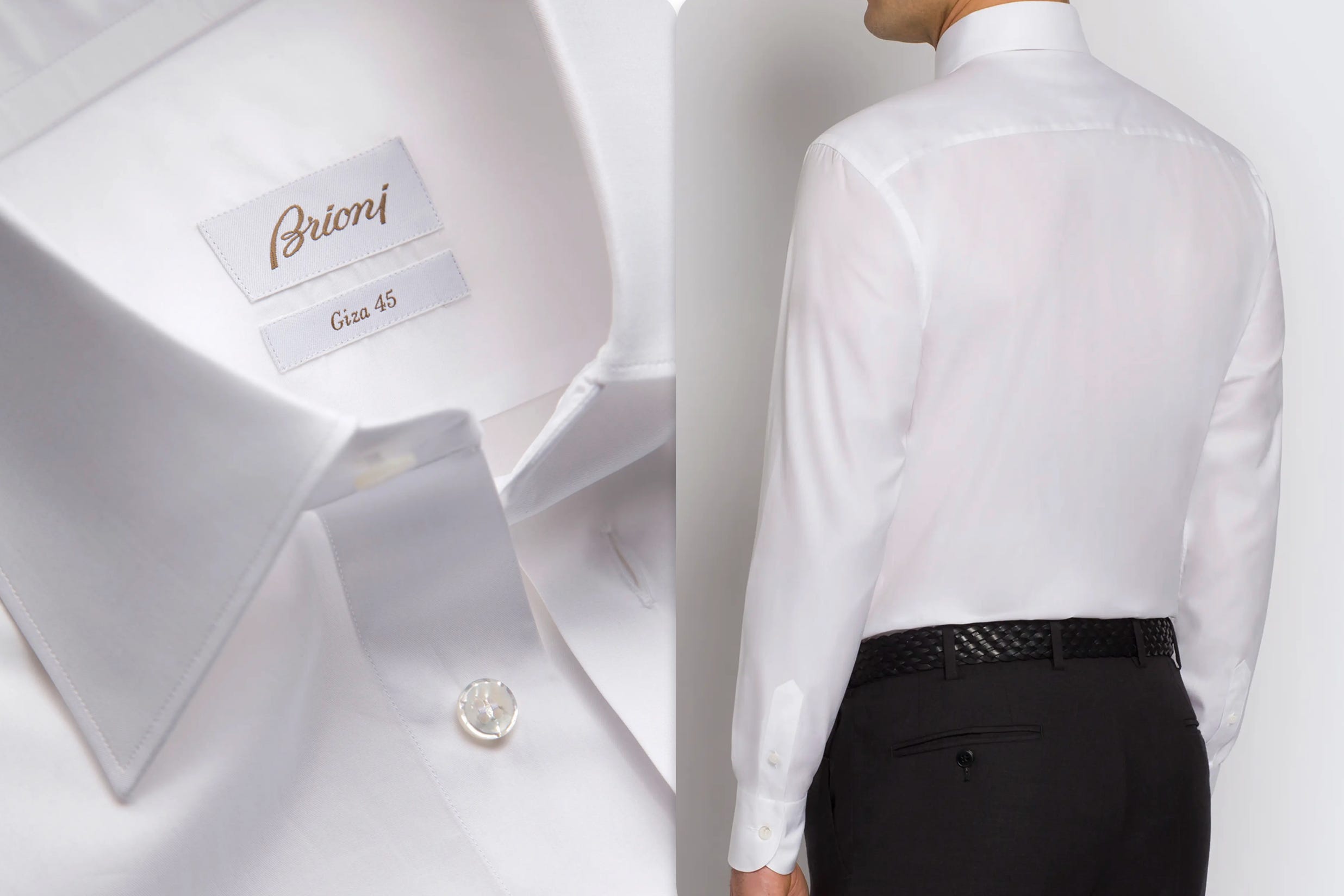
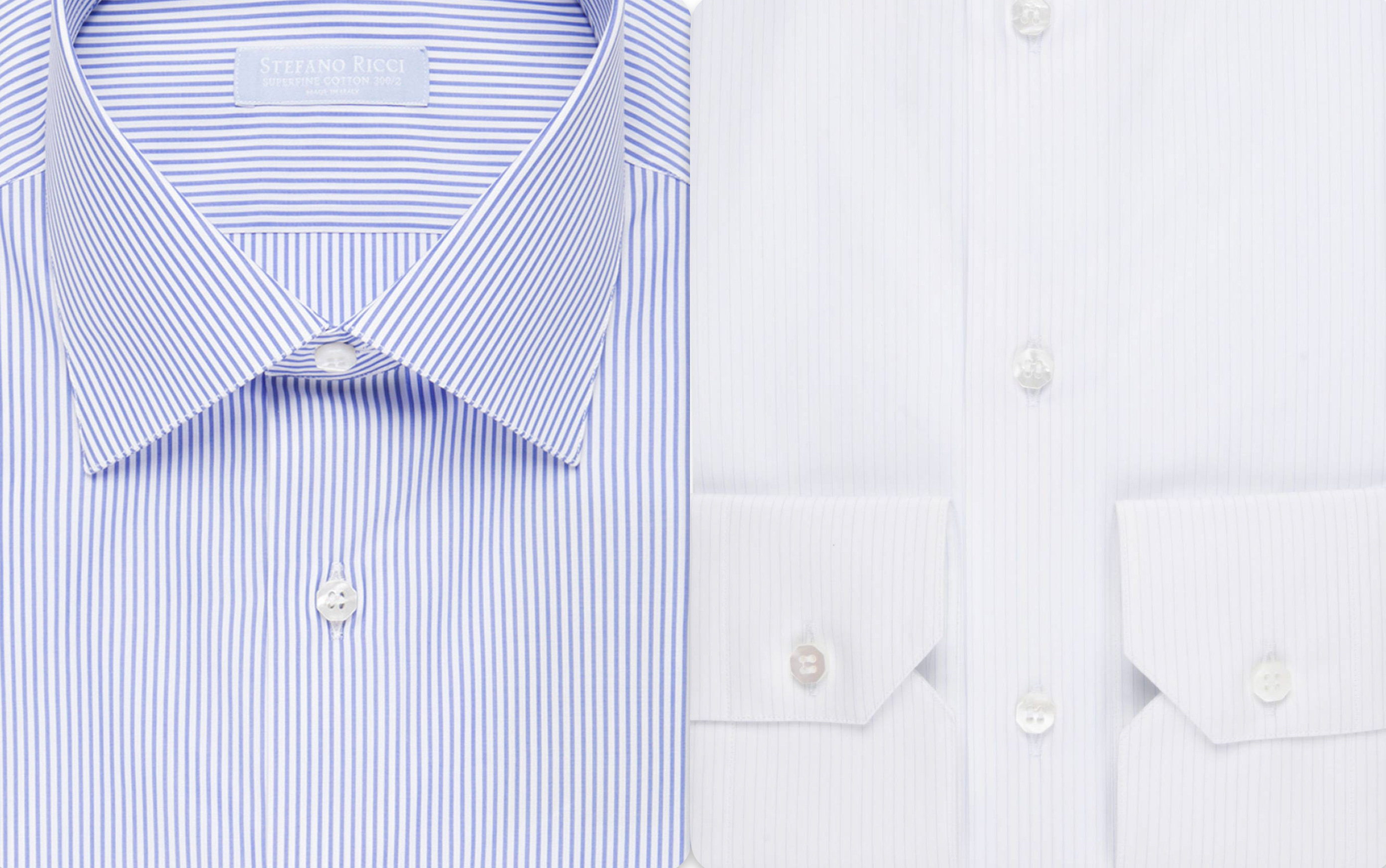
Brioni, Stefano Ricci, and Finamore all produce shirts in Giza 45. Among them, Stefano Ricci uses a two-ply 300-count thread — the finest available — resulting in a fabric whose handle comes remarkably close to 15mm mulberry silk.
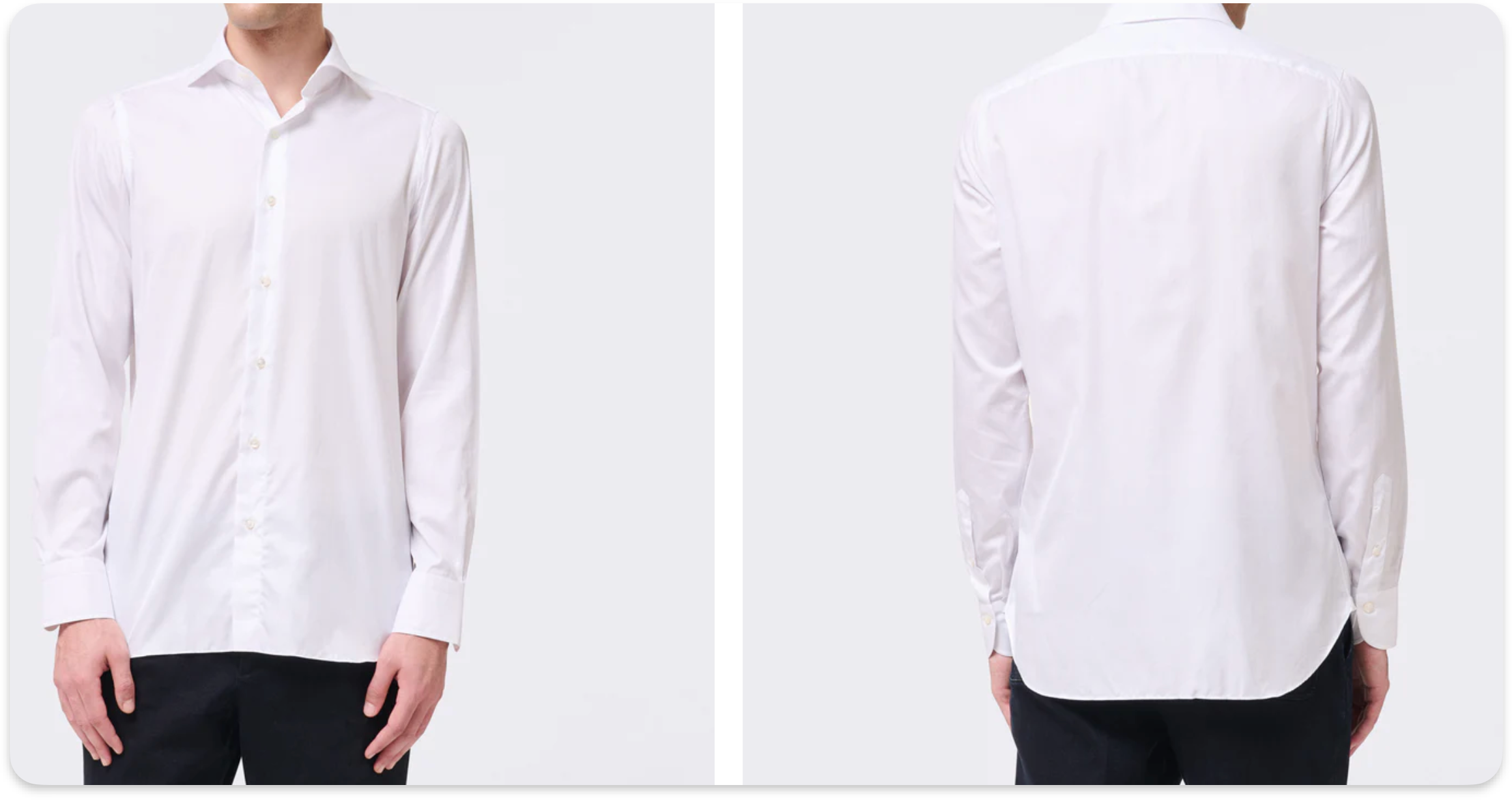
Finamore offers a dedicated “170 a 2” line — two-ply 170-count — which strikes a better balance between refinement and durability, making it more suitable for everyday wear.
Third in the hierarchy is Indian Suvin cotton — the most affordable of the three and the most commercially developed. It was originally cultivated largely for the Japanese market and has only more recently made inroads with Italian luxury brands. Maglificio Gran Sasso, for example, uses it in their knitted polo shirts.
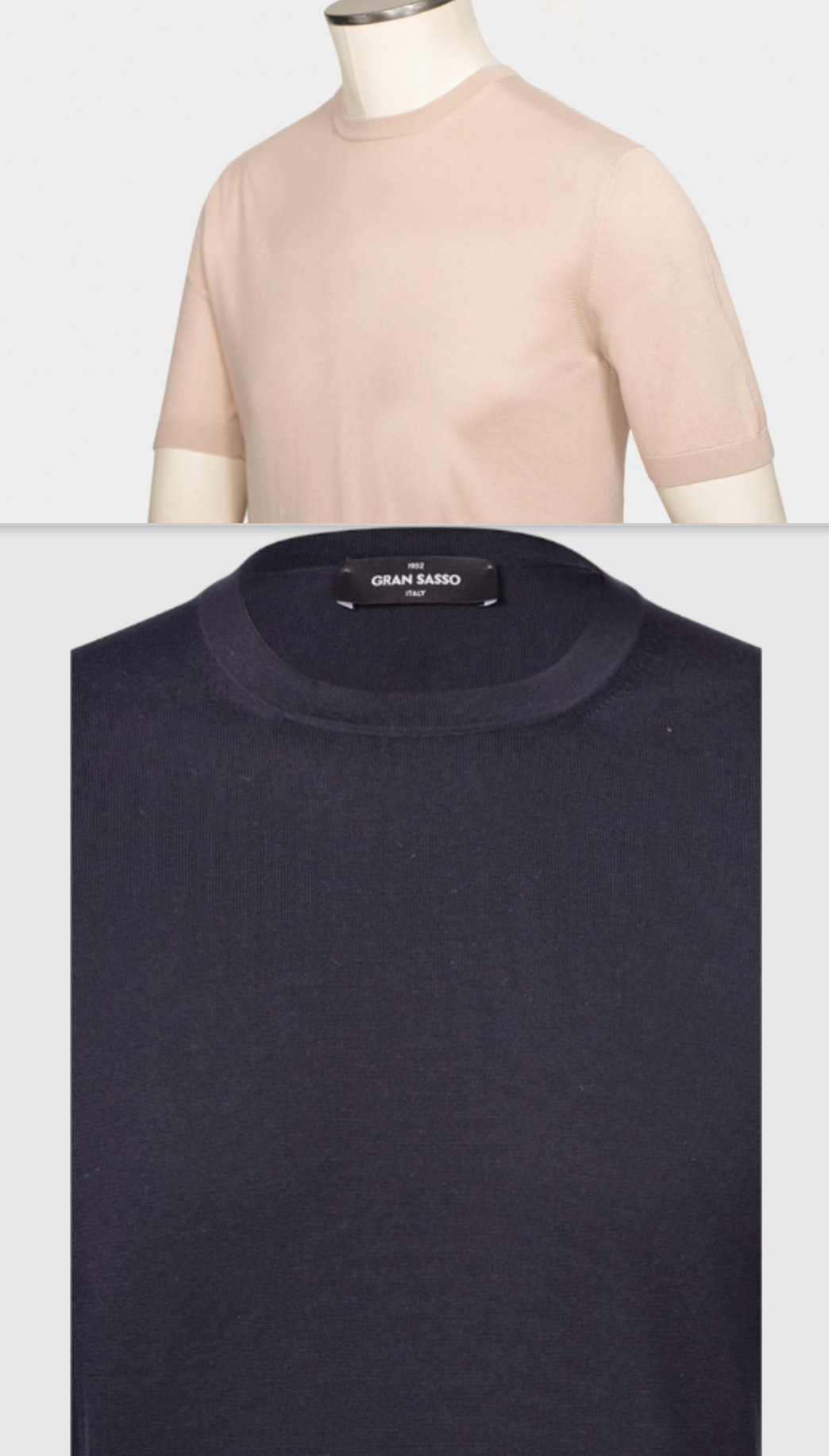
In Japan, it tends to appear in shirting and short-sleeve tops. Suvin has a luster that glides — closer to the sheen of mulberry silk.
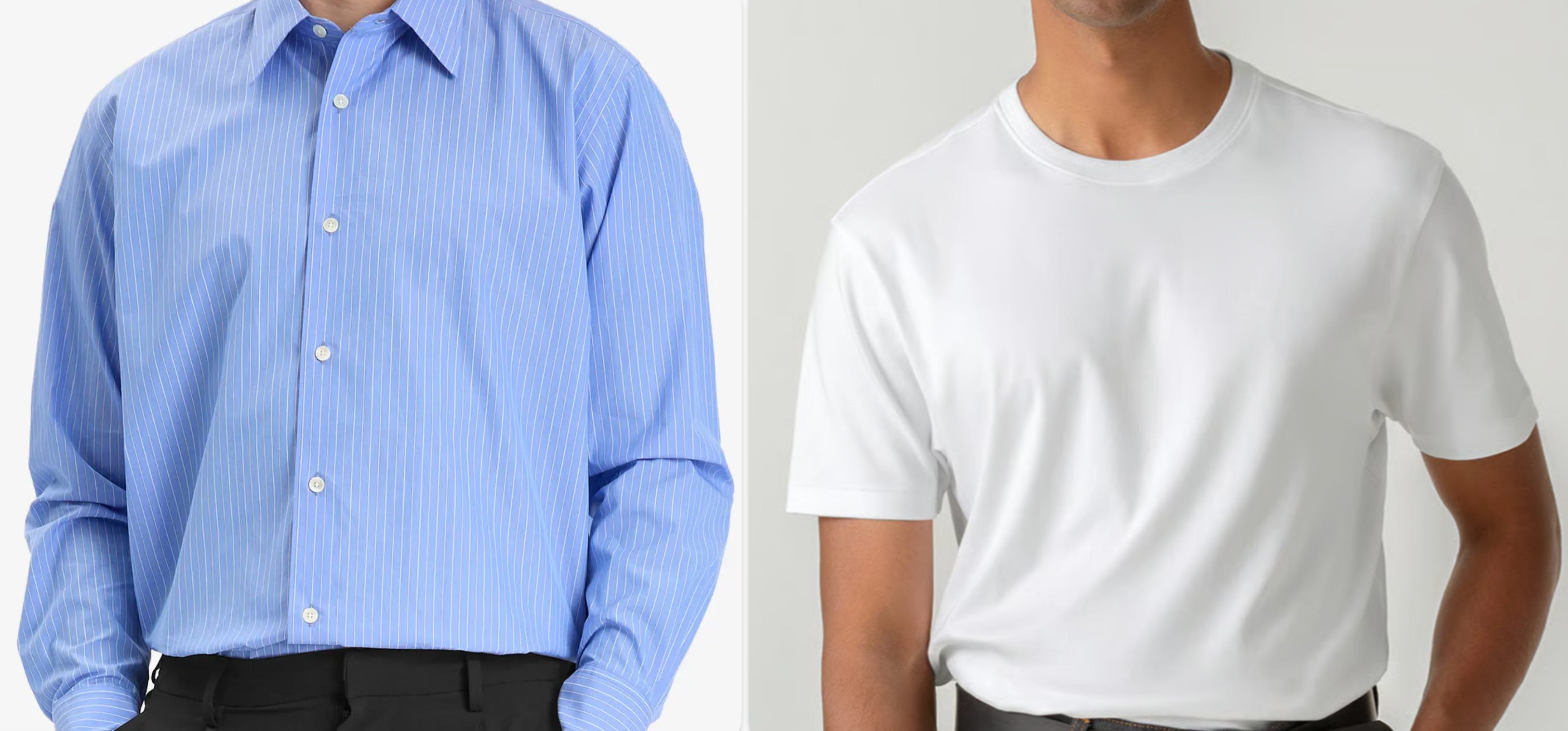
Suvin is a hybrid of Sea Island cotton and Sujata — a cotton variety originally derived from Egyptian strains and refined in India, known for its toughness. The Sea Island parent here is the soft, silky St. Vincent variety, and the name Suvin is simply a portmanteau of Sujata + Vincent. As a result, Suvin is somewhat sturdier than pure Sea Island, though it doesn’t reach the crisp resilience of Giza 45.
While Suvin falls slightly short in fiber length and luster compared to the other two, it actually has the finest fiber diameter of all three (with Sea Island coming second). But since high thread-count fabrics depend on both fineness and length, both Suvin and Sea Island cotton excel at 200-count and above, while Giza 45 needs a two-ply construction to reach 300-count. For comparison, our Supima cotton bedding maxes out around 180-count or 140-count; Giza 45 at 150 single-ply or 180-count already represents an excellent achievement. Most ordinary mid-to-low-end cottons stay under 100-count — push past that and the fibers simply break.
To summarize: Sea Island cotton from a reputable brand is always worth it — no reservations. For Giza 45, verify it really is 45; it’s especially worth prioritizing for shirts and bedding. Suvin is worth knowing about as a category, but it hasn’t gained much traction in the Italian or British markets, and its development trajectory is still relatively early — I’d treat it as background knowledge rather than an active shopping priority.
One final note: like mulberry silk and cashmere, Sea Island cotton should be washed in soft water. Beijing tap water is extremely hard, and washing these pieces in it will leave the fabric stiff, undermining the whole point of Sea Island cotton’s gentle, pillowy softness.
pamperherself